

Gorgeous Decorative Paper: What Is Ryōshi, Essential for Kana Works?
What Is “Ryōshi” (Decorated Paper)?
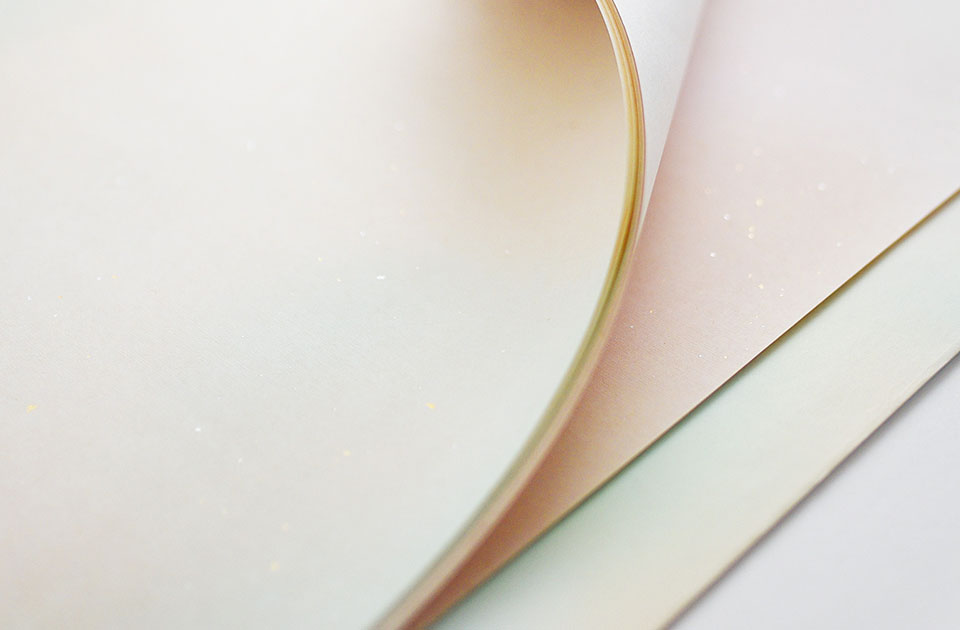
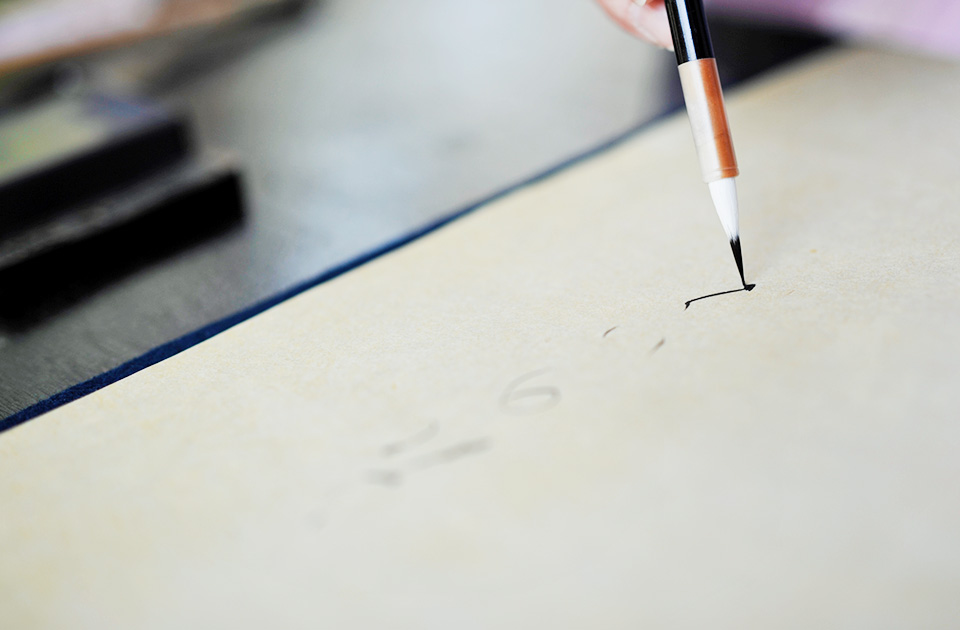
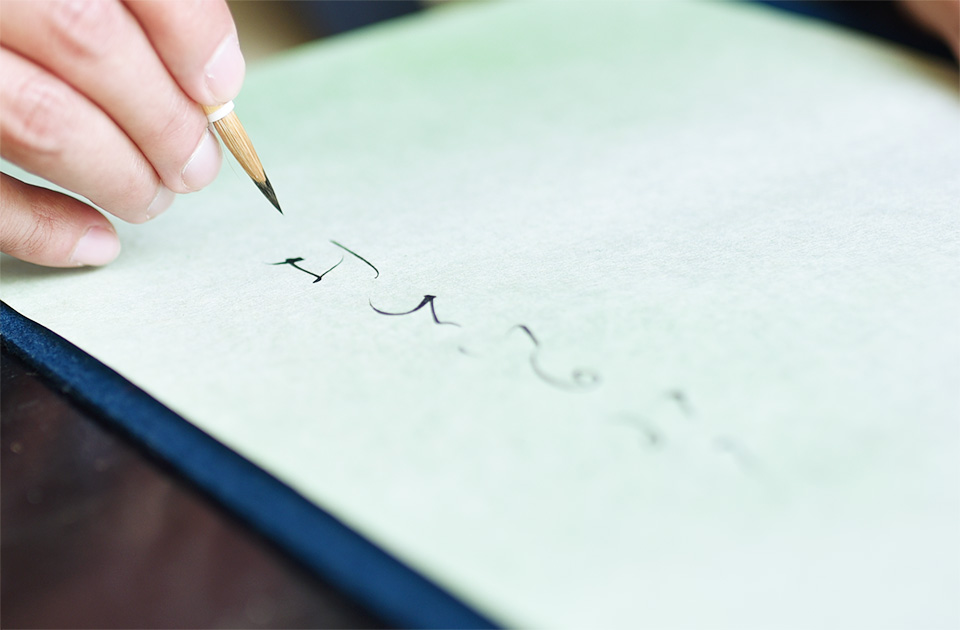
Ryōshi refers to papers that are processed and decorated specifically for kana calligraphy works.
“Kana” is indispensable when discussing the history of Japanese calligraphy.
In the Heian period, brilliantly adorned papers were developed, and Japan’s refined kana culture was born.
Ryōshi is completed through various techniques such as dyed paper, gradation dyeing (bokashi), sprinkling of gold/silver powder (sunago), gold-leaf sprinkling, and shell-powder coating, resulting in a single beautiful sheet.
Ryōshi Sizes
• Full Kaishi … approx. 36.5 × 48.5 cm
• Half Kaishi … approx. 24.5 × 36.5 cm
• Hanshi size … approx. 24.3 × 33.4 cm
The sizes of ryōshi use naming conventions different from gassen-shi (calligraphy paper) for kanji works.
Names such as “Full Kaishi” and “Half Kaishi” originated in the Heian period. While actual dimensions have changed over time, these names are still used today.
Today, based on “Full Kaishi” (approx. 36.5 × 48.5 cm) and its half-size “Half Kaishi” (approx. 24.5 × 36.5 cm), larger “Special Sizes” and “Kohitsu Size” papers—usable as-is for copying classical kana fragments—are also produced.
There are also ryōshi in the same sizes as gassen-shi, such as “Hanshi” and “Hanseki.”
Ryōshi Processing Methods and Types
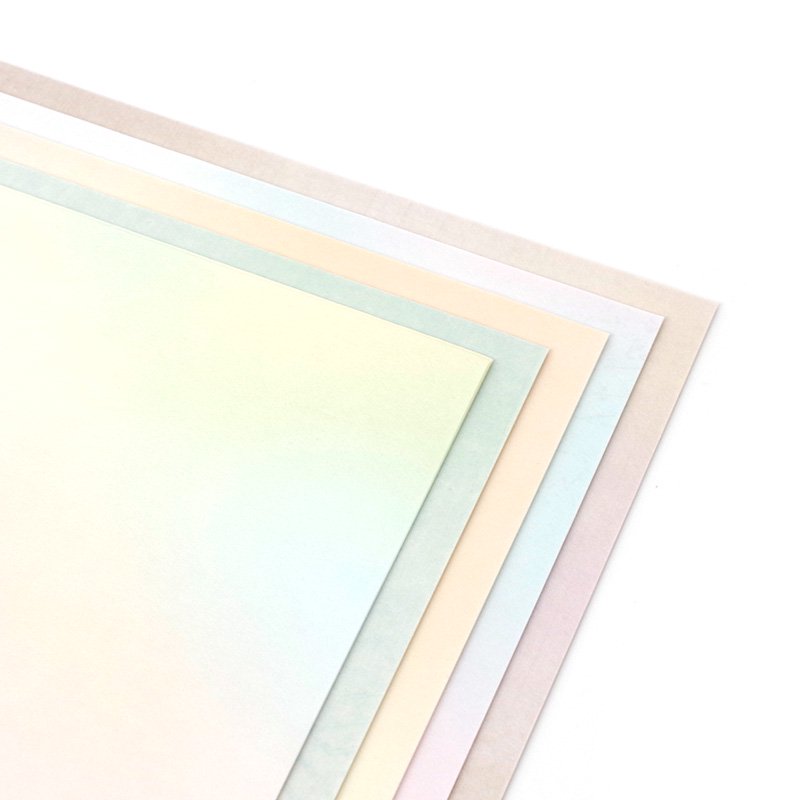
■ Gradation Dyeing (Bokashi)
A coloring process in which the paper is gently and delicately tinted with gradated hues.
Looking for ryōshi with gradation dyeing? Click here >>
■ Sunago Gradation
Sunago refers to gold or silver leaf ground into powder. Adhesive is applied onto the gradation-dyed paper, then gold or silver powder is sprinkled to create decorative effects.
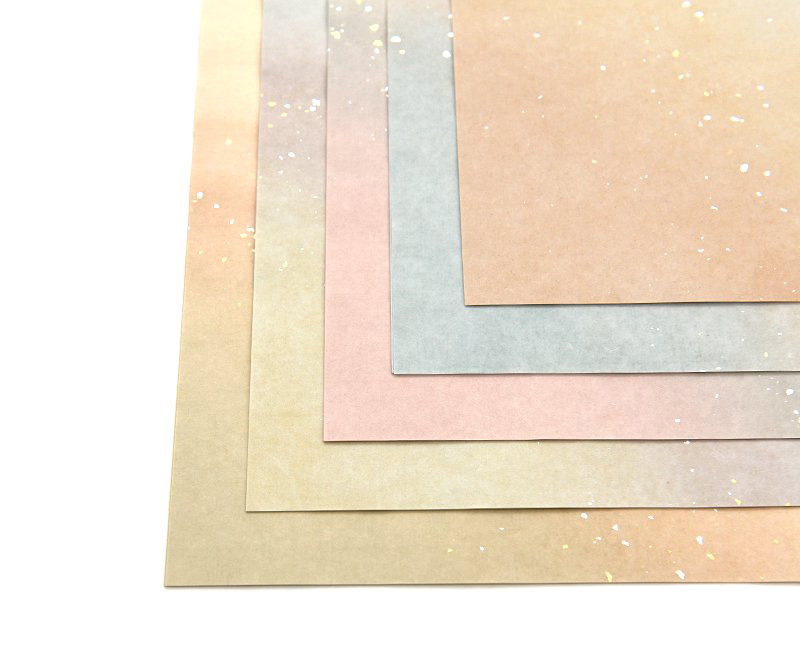
Looking for sunago-graded ryōshi? Click here >>
■ Cut-Foil Sunago Gradation
Decorated by attaching gold or silver leaf cut into various shapes over sunago gradation.
Using slightly larger foil pieces than typical sunago, the delicate, subtle sparkle of sunago combines with the stronger brilliance of foil for an even more opulent impression.
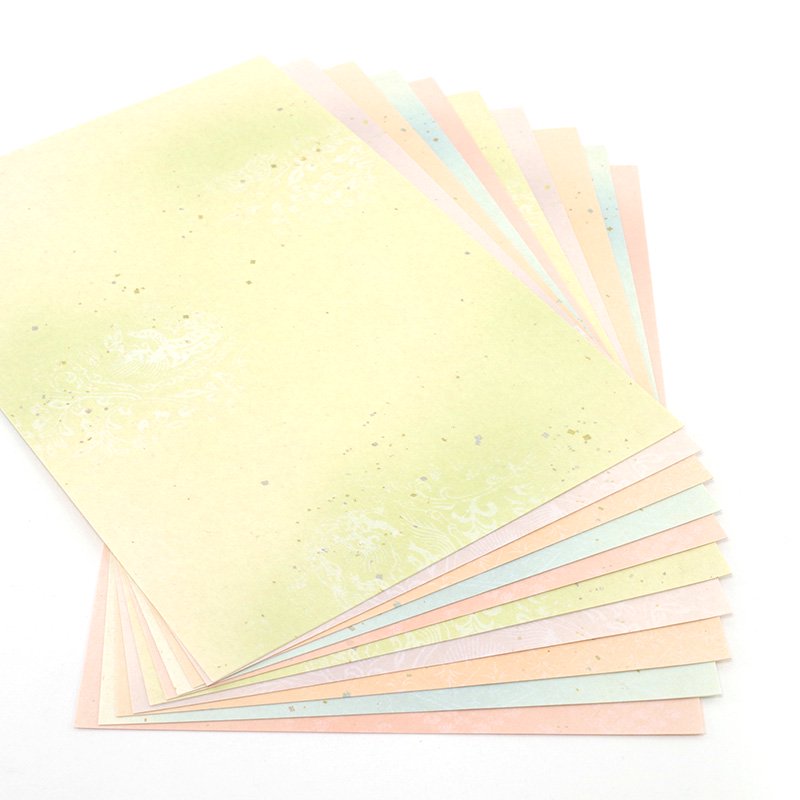
Looking for cut-foil sunago-graded ryōshi? Click here >>
■ Gubiki (White-Pigment Coating)
A process in which gofun (white pigment) is applied to the surface of the ryōshi.
Gubiki enhances the paper’s ink receptivity by coating the surface with gofun.
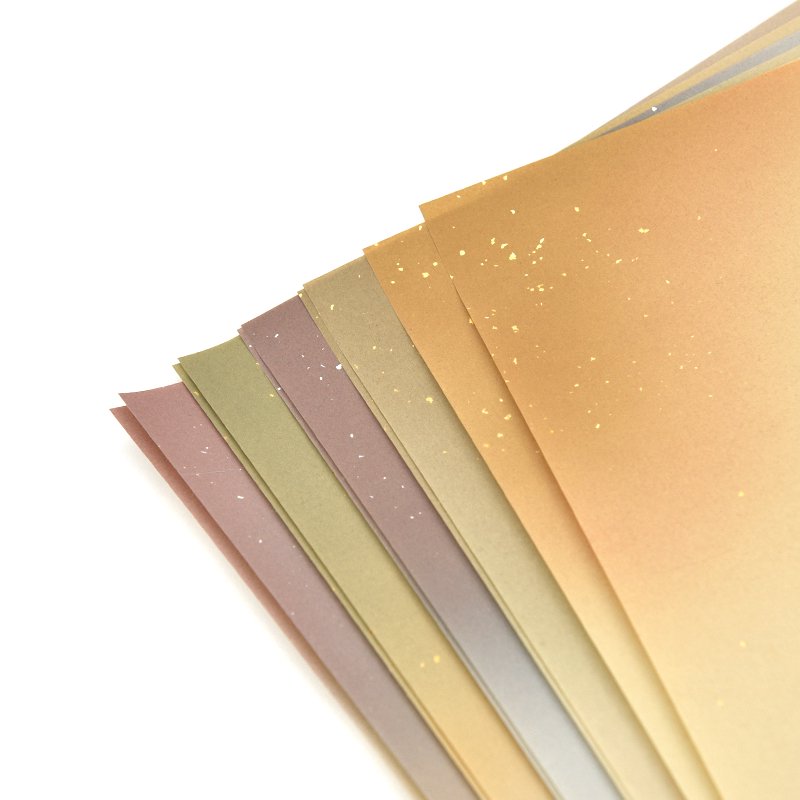
Looking for ryōshi with gubiki coating? Click here >>
Ryōshi also commonly uses dōsa-biki, a sizing treatment that reduces ink bleed.
Dōsa-biki is a de-bleeding process in which a solution of animal glue (nikawa) and alum, dissolved in hot water, is brushed onto the paper.
Because kana is written with the brush tip in flowing, fine curves, papers that bleed heavily make it difficult to write well.
Therefore, dōsa-sized papers are used to ensure the brush moves smoothly across the surface.

What Is “Kohitsu” Copy Practice Paper?
“Kohitsu” refers to outstanding examples of Japanese-style calligraphy written from the Heian to Kamakura periods. Papers for copying these classics are called kohitsu copy practice papers.
Examples include: 寸松庵・継色紙・一條摂政集・高野切・針切・小島切・香紙切・本阿弥切・関戸本古今集, etc.
They are produced in both “for final works” and “for practice” versions, replicating formats appropriate to each classic.
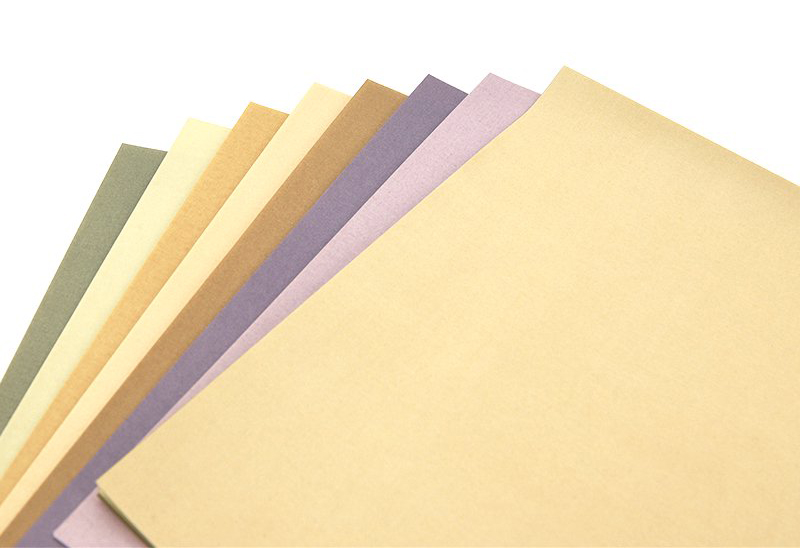
Looking for kohitsu copy practice papers for kana? Click here >>
Rare, Limited-Edition Pieces You’ll Want to Try at Least Once
Ryōshi adorned with painstaking, traditional techniques possess a beauty that you’ll want to gaze at endlessly.
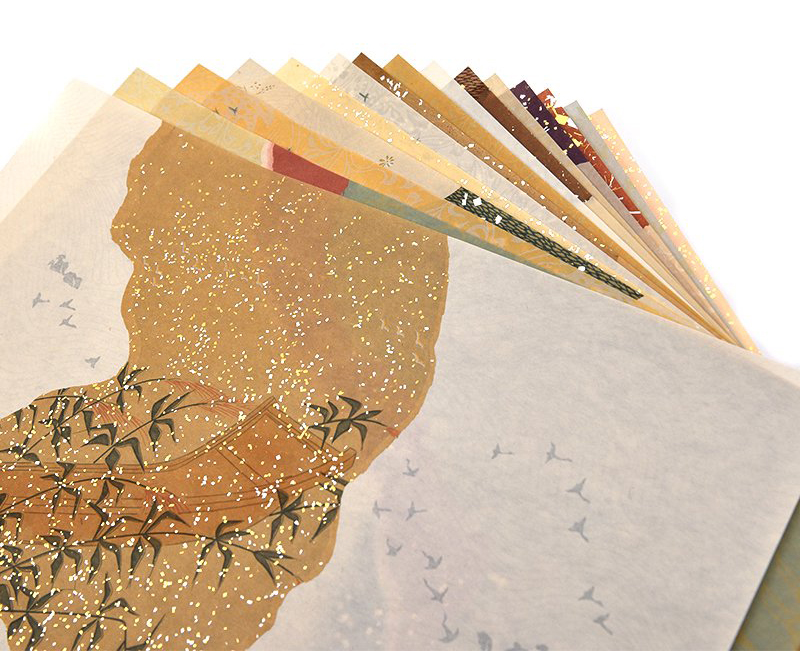
See limited-edition ryōshi available at Shoyu Online >>
*Please note that, as limited editions, sales will end once stock runs out.
Ryōshi Ranking Currently on Sale at Shoyu Online
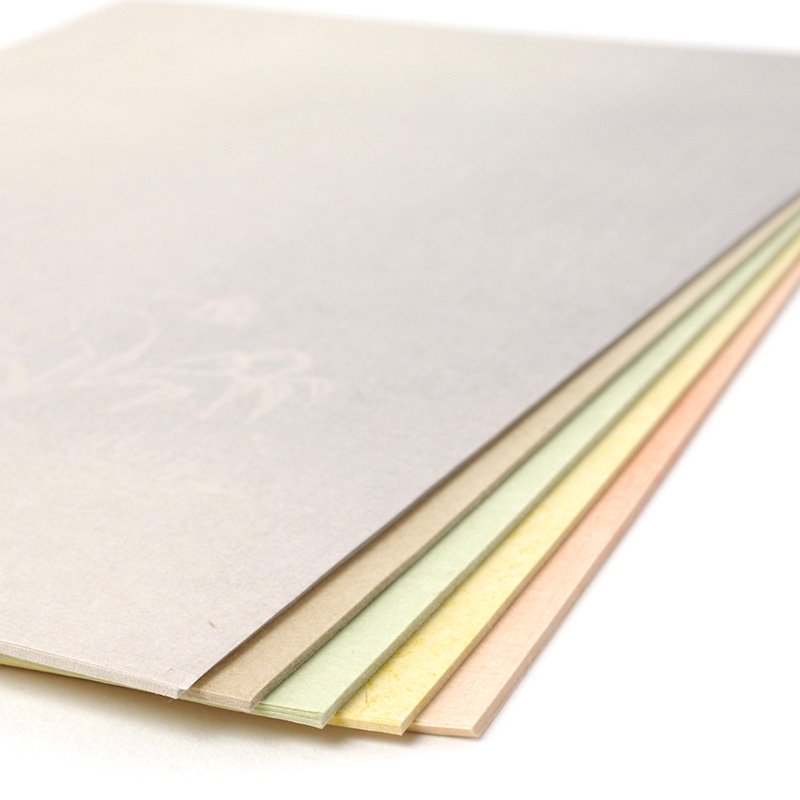
1. Asuka (Hanshi Size)
A thin paper with a natural fiber texture, printed with five different patterns—one for each of its five colors. Easy to write on and ideal for beginners; suitable for fine script, kana, practice for letters, and submissions to calligraphy magazines.
View Product Page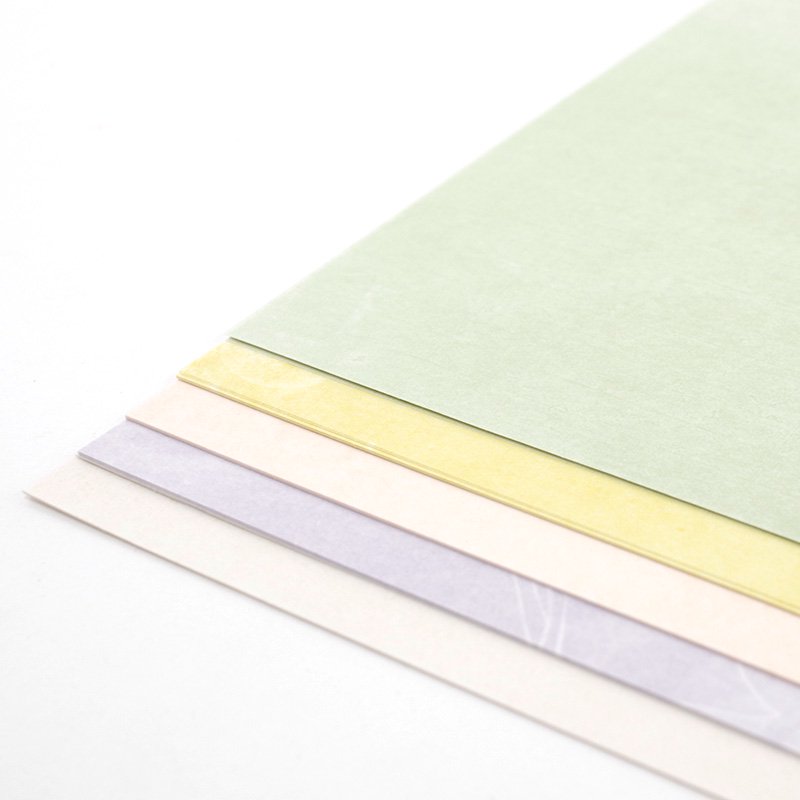
2. Ran (Hanshi Size)
A crisp paper with a slightly rough touch. Available in five off-white tones, each with a unique printed pattern. With plenty of sheets included, it offers excellent cost performance.
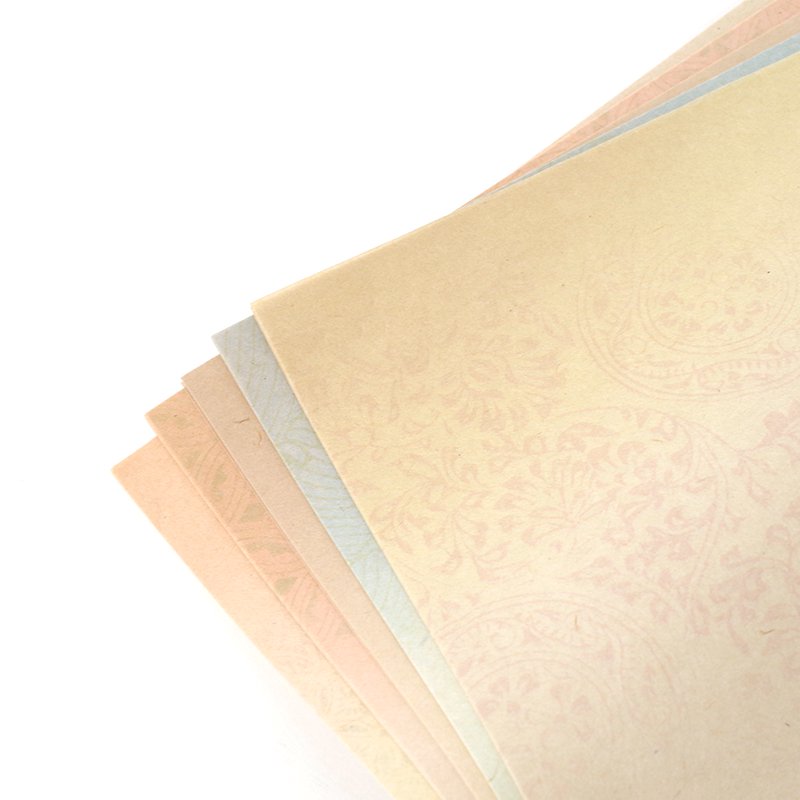
3. Kahori (Hanshi Size)
Made primarily from ganpi fiber, this paper features calm patterns—such as flowers, waves, and shippo (interlocking circles)—printed in subdued colors. With smooth brush glide, it’s recommended for beginners and works well for fine script.
View Product PageSummary
Beautiful ryōshi that stirs your creative spirit.
With a wide variety of colors and decorative techniques, choose the paper that best matches the image of the work you wish to create.
Although “ryōshi” may sound a little formal, we carry many reasonably priced options—please feel free to enjoy them.