

Kobaien: A History Spanning Over 400 Years
Kobaien’s Ink-Making Business Beginning in the Late Muromachi Period
Kobaien began its ink-making business in Nara during the late Muromachi period. The founder, Matsui Dōchin (1528–1590), was awarded the official title Tosa-no-jō. His successor, Dōkei, also received the same official title, which continued through subsequent generations.
The third generation, Dōju (1611–1697), who loved plum blossoms, planted many plum trees under the eaves, and the estate became known as “Kobaien.” The fourth generation, Dōetsu (1641–1711), and his son, the fifth generation Motoki, pursued scholarly studies under Confucian scholar Ito Jinsai. Motoki compiled the family’s ink records and was also known as a poet, publishing Tōan Shikō. He dedicated himself to improving Japanese ink, a legacy passed on to the sixth generation, Motayasu.
Motayasu’s efforts to study Chinese ink-making are recorded in *Bokufu*, and a handwritten manuscript, Tōjin Bokusei Mondō no Kiroku, preserves records of his discussions with nine Chinese ink specialists in Nagasaki in 1739. He also studied the origins of Japanese ink in Engishiki Bokuhon Shikō and compiled poems in Meiboku Shin’ei (1712) and Daiboku Kōko Shishū (1734).
The seventh generation, Motohide, continued his father’s legacy, creating “Benibana ink” (safflower ink) and compiling Bokufu Kōhen. Over three generations, Kobaien achieved significant advances in ink-making and left valuable research records in ink history.
Successive Heads of Kobaien
Founder: Matsui Dōchin (1528–1590) [Tosa-no-jō]
He served Chūhara Tōtada, lord of Tochi in Yamato Province, and moved to Nara in 1577 to begin ink-making. He studied traditional methods and developed high-quality ink, presenting it to the imperial court in 1603, receiving the title Tosa-no-jō. Also known as Matazaburō.
2nd Generation: Matsui Dōkei (1578–1661) [Tosa-no-jō]
Admired plum trees in his garden inspired the estate name “Kobaien.” Inscriptions on paulownia boxes suggest that Dōkei formalized the estate name.
3rd Generation: Matsui Dōju (1611–1697) [Izumi-no-jō]
Appointed by the Tokugawa shogunate, he resided in Edo and served various feudal lords.
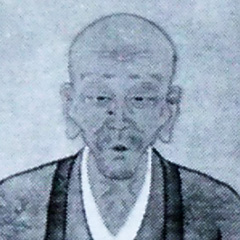
4th Generation: Matsui Dōetsu (1640–1711) [Tosa-no-jō]
5th Generation: Matsui Motoki (1660–1719) [Echigo-no-jō]
Studied under Confucian scholar Ito Jinsai and took the pseudonym Tōan.
6th Generation: Matsui Motayasu (1689–1743) [Izumi-no-jō]
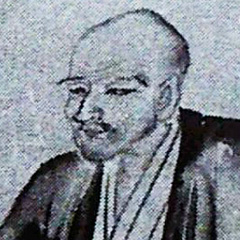
Also known as Gen-gen-sai Sadabun. In 1739, with government permission, he went to Nagasaki and exchanged ink-making techniques with Chinese artisans. Authored Kobaien Bokufu (four volumes), Kobaien Boku-dan, and Bokuwata. Wooden plates include ink types still produced today, such as Hakkaku Rōshō, Shakyōboku, Gyokuran, and Daizai Hotei.
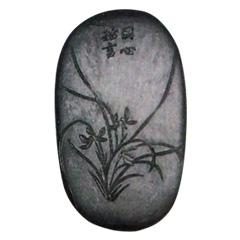
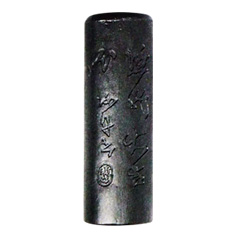
Representative ink produced by Motayasu. He improved Japanese ink and exchanged techniques with Chinese ink masters in Nagasaki to create superior ink.
7th Generation: Matsui Motohide (1716–1782) [Izumi-no-jō]

Developed safflower ink and authored Bokufu Kōhen (five volumes). This work became so famous that “Boku = Kobaien” became synonymous. Included inks still made today.
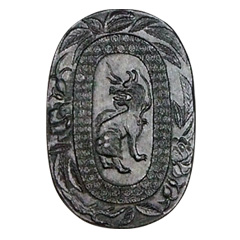
Created the famous calligraphy ink “Benibana ink” and painting ink through interactions with Chinese artisans.
8th Generation: Matsui Mototaka (1756–1817) [Izumi-no-jō]
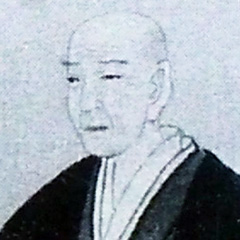
Received the title Izumi-no-jō and managed the family ink business peacefully.
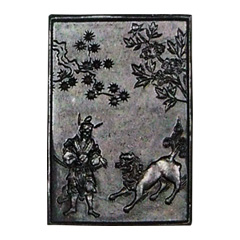
Produced notable inks during the cultural flourishing of mid-Edo period (Kasei era).
9th Generation: Matsui Motogi (1799–1857) [Izumi-no-jō]
Received the title Izumi-no-jō and continued managing the family ink business peacefully.
10th Generation: Matsui Motonaga (1828–1865) [Tosa-no-jō]
At the Meiji Restoration, returned the official title and became a purveyor to the Imperial Household.
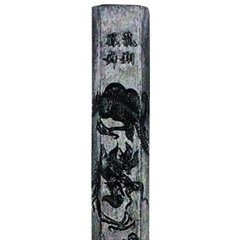
11th Generation: Matsui Motojun (1862–1931)
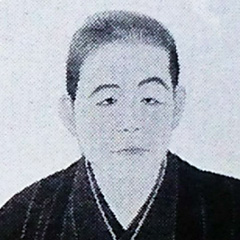
Served as honorary mayor of Nara and reorganized the business into a company in 1915.
Dispatched sales agents nationwide, expanding the market.
12th Generation: Matsui Sadatarō (1884–1952)
Served as a member of the House of Peers and honorary mayor of Nara. Contributed greatly to the ink industry.
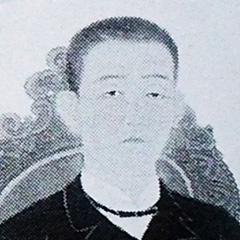
13th Generation: Matsui Motoshin (1913–1967)
Maintained the centuries-old family business through the turbulent post-war period.
14th Generation: Matsui Motoyoshi (1964–1997)
Inherited the family business and successfully reproduced the long-lost “Ikimatsu Sumi” in 1985 using a newly developed soot collection method.