

Kobaien’s Ink Manufacturing Process
```html
Kobaien Ink Manufacturing Process
SPECIAL CONTENTS LIST
Traditional Ink-Making Methods Passed Down Through Generations
There are several types of ink: "Yuen-boku" (oil soot ink) made from soot produced by burning oils such as rapeseed, sesame, and paulownia; "Shōen-boku" (pine soot ink) made from burning pine resin; and more recently, inks made from mineral soot. Among these, "oil soot ink" is known for its fine particles, deep black color, and strong gloss, making it a high-quality ink. Oil soot ink originated in the Muromachi period at Nitaibō in Kōfuku-ji Temple, where soot accumulated on the ceiling from oil lamps was collected and mixed with glue to create ink. At Kobaien, we continue to preserve and produce high-quality oil soot ink using secret techniques passed down through generations.
1. Soot Collection
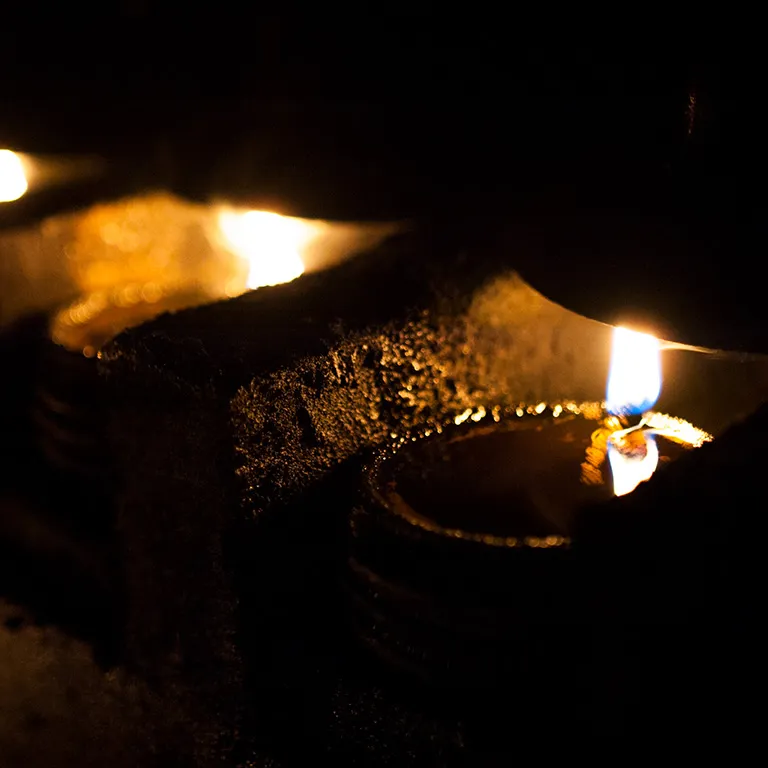
Pure plant-based oil is placed in earthenware vessels, a wick is lit, and the vessel is covered to collect the soot that accumulates inside. To ensure even soot accumulation, all vessels are repositioned every 20 minutes.
2. Dissolving the Glue
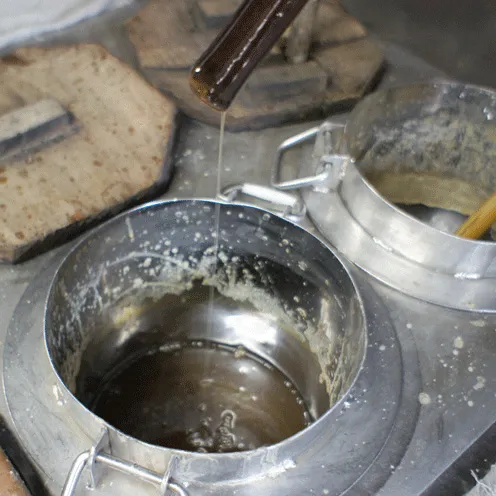
Glue made from animal bones and skins (such as cattle) is placed in a double boiler and heated over a long period to create a liquid glue solution.
3. Wooden Mold
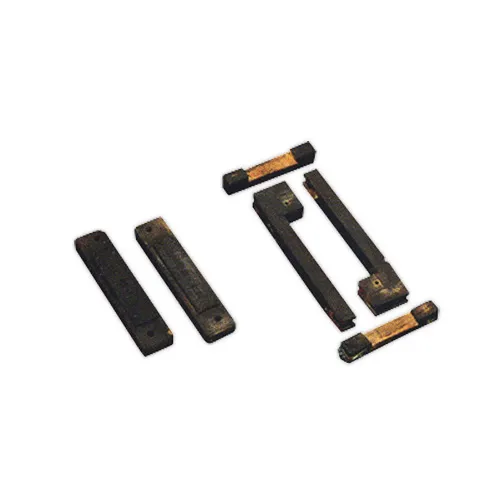
The wooden molds for ink, made from pear wood, are carved with characters and designs. A standard ink stick weighs 15g when finished, but about 25g of raw ink is placed into the mold to account for shrinkage during drying.
4. Molding
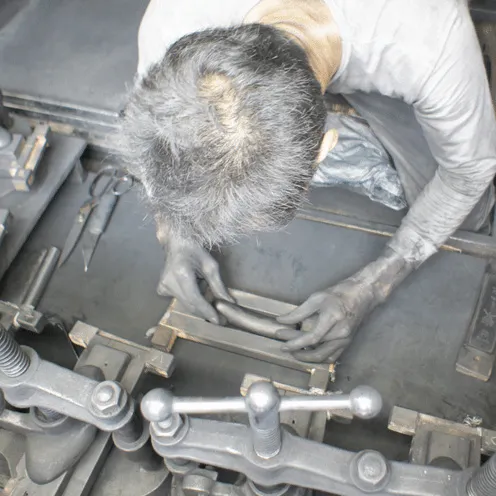
The mixture of soot, glue solution, and fragrance is removed and kneaded by hand until it develops a glossy texture, then carefully pressed into the molds.
5. Ash Drying
The ink removed from the mold is buried in moist wood ash on the first day, then gradually transferred to drier ash over subsequent days. This ash-drying process lasts about one week for small pieces and 30–40 days for larger ones.
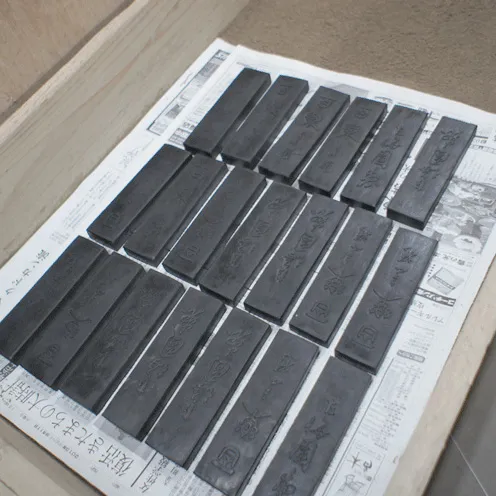
6. Natural Drying
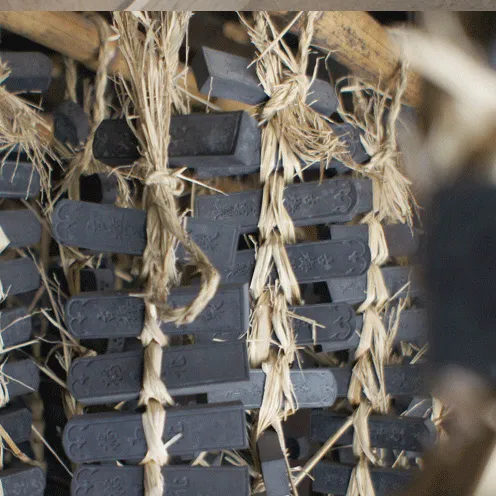
After ash drying (removing about 70% of moisture), the ink is woven into straw and hung from the ceiling for indoor air drying. This process typically takes from about half a month to three months.
7. Finishing and Polishing
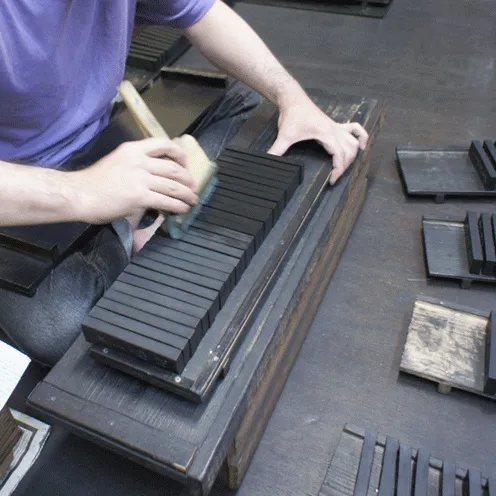
After natural drying, each ink stick is washed with water to remove ash and impurities from the surface. A finishing coating is then applied to enhance its appearance. Depending on the product, it may be gently heated over charcoal to soften the surface and polished with clam shells to create a glossy finish.
8. Coloring Finish
The polished ink is air-dried for about 3 to 7 days (to remove moisture from washing), then decorated using gold powder, silver powder, and other pigments.