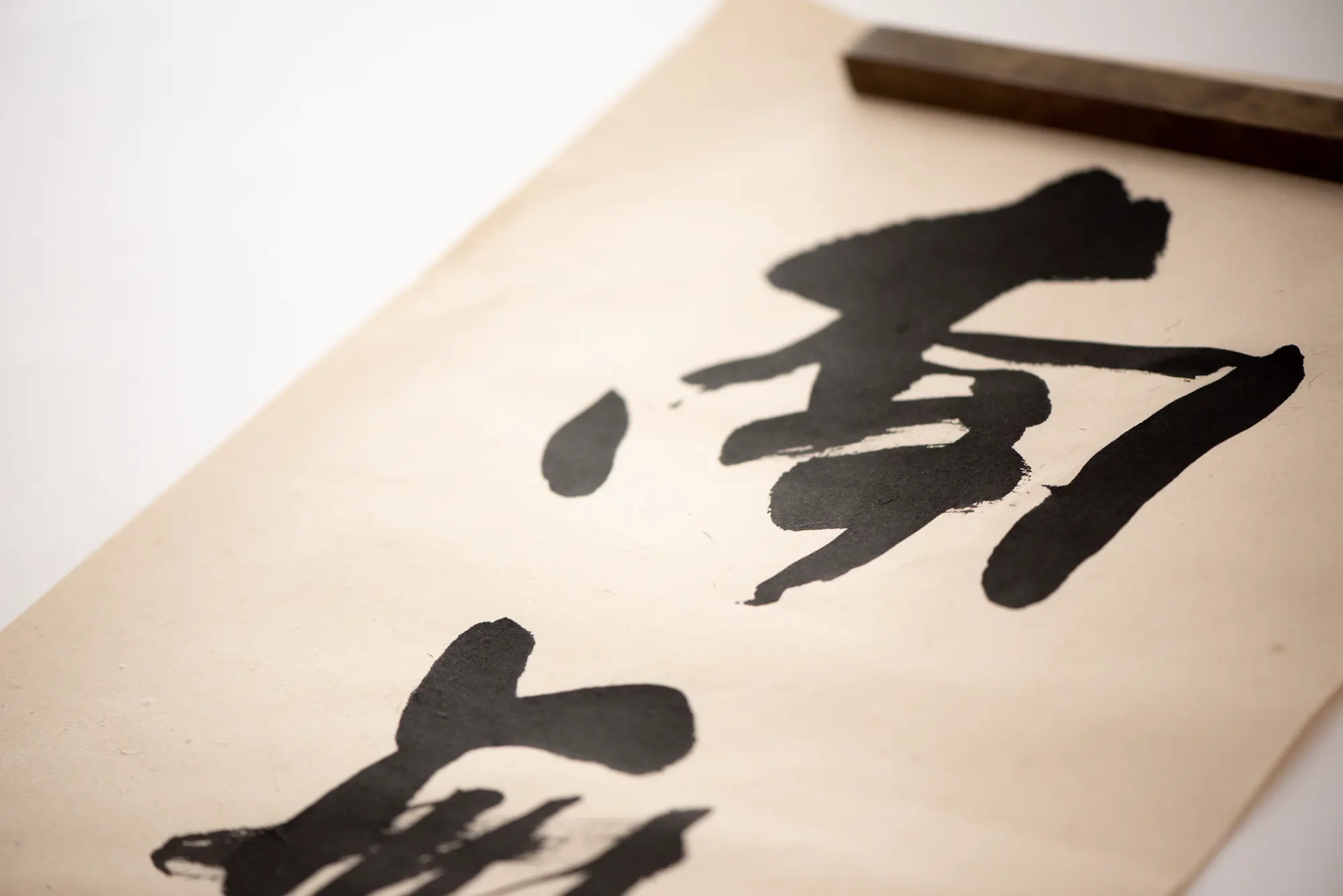
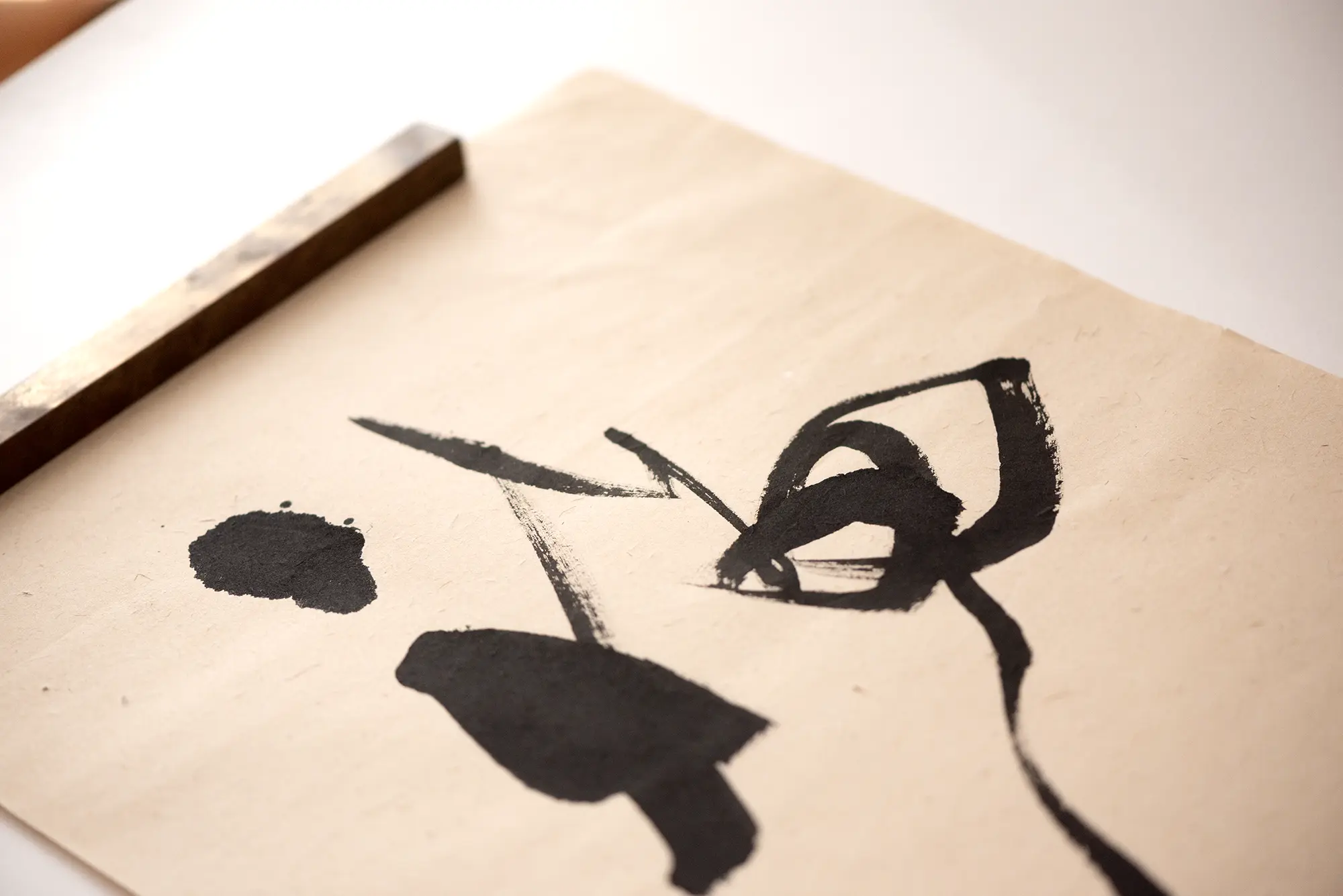
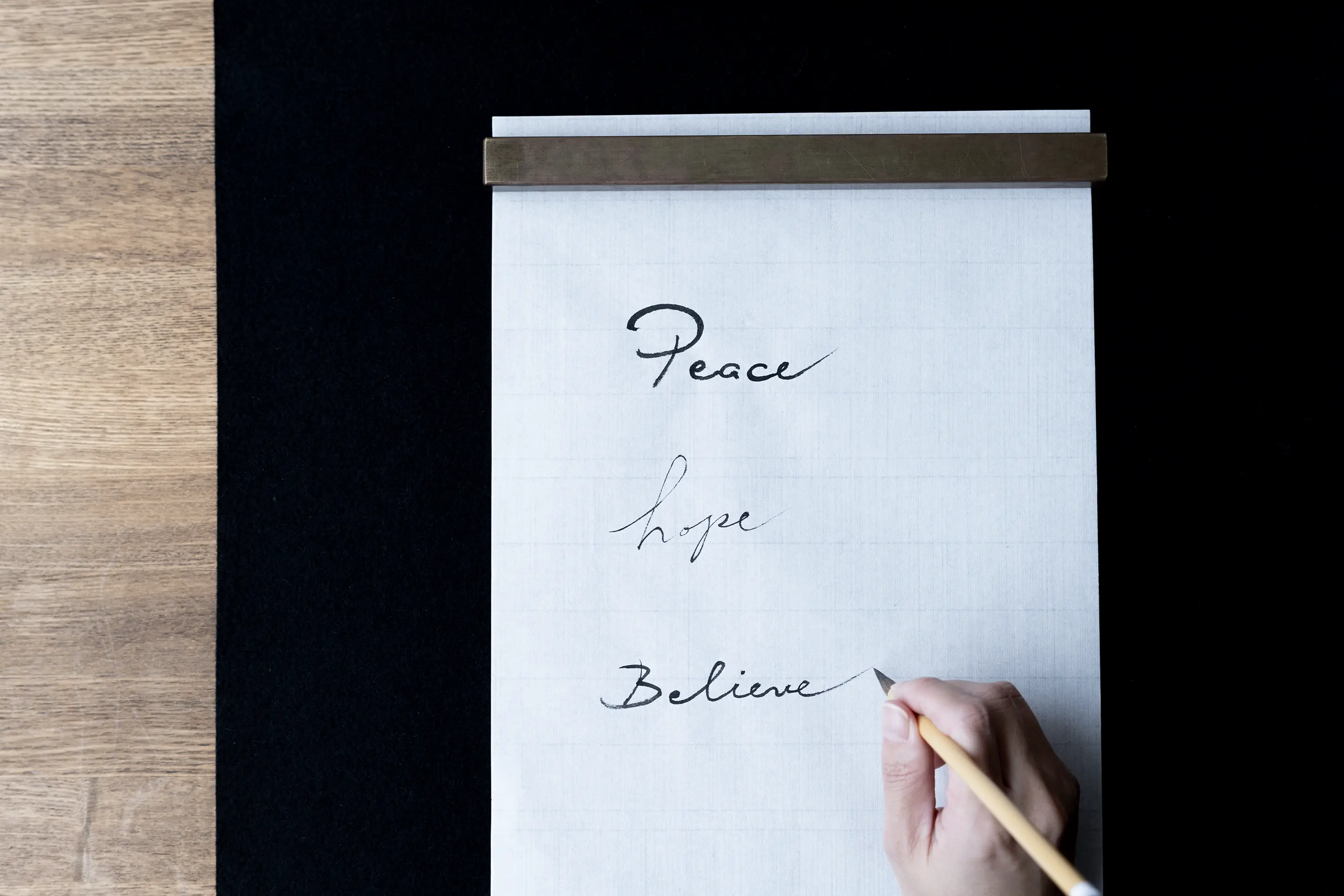
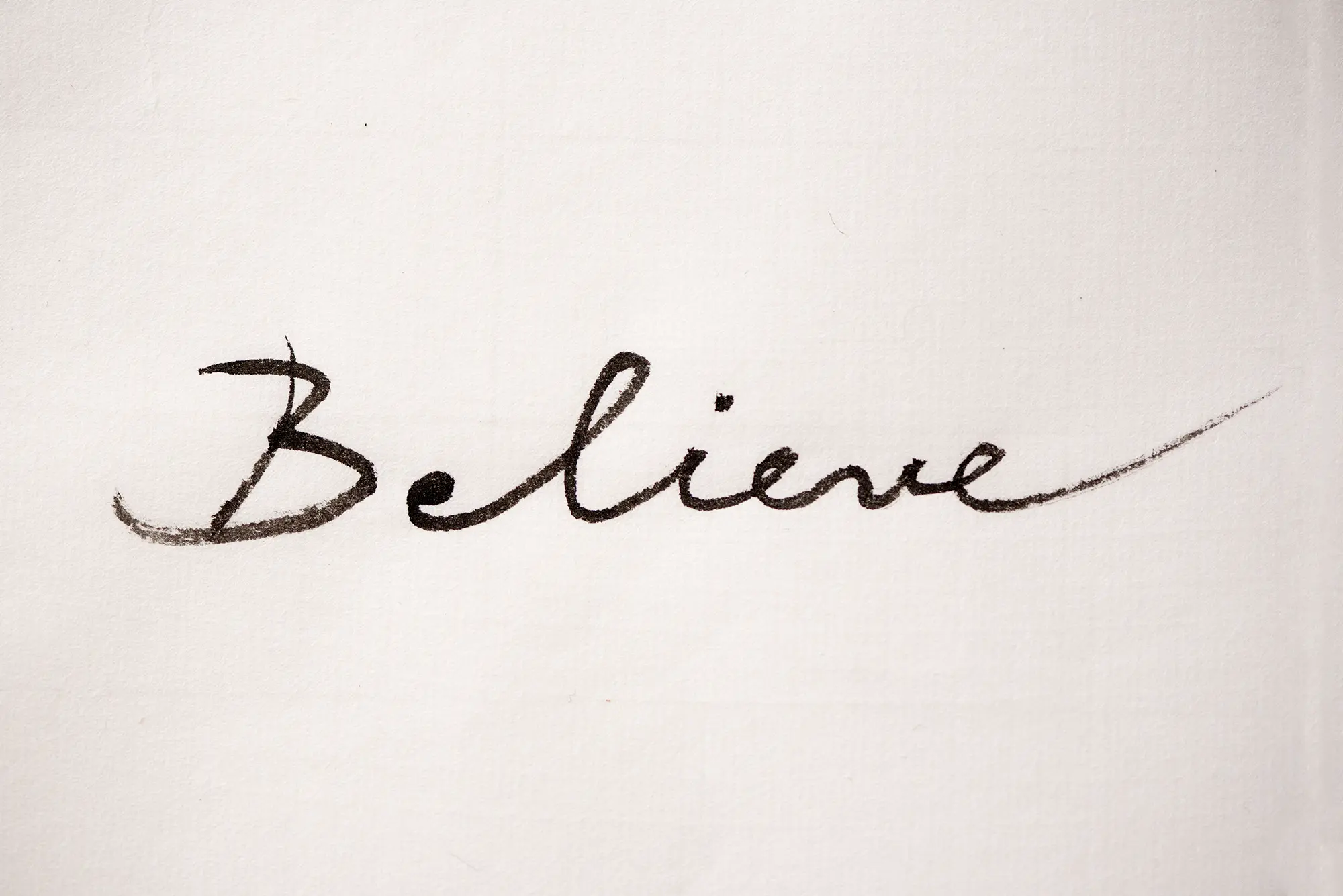
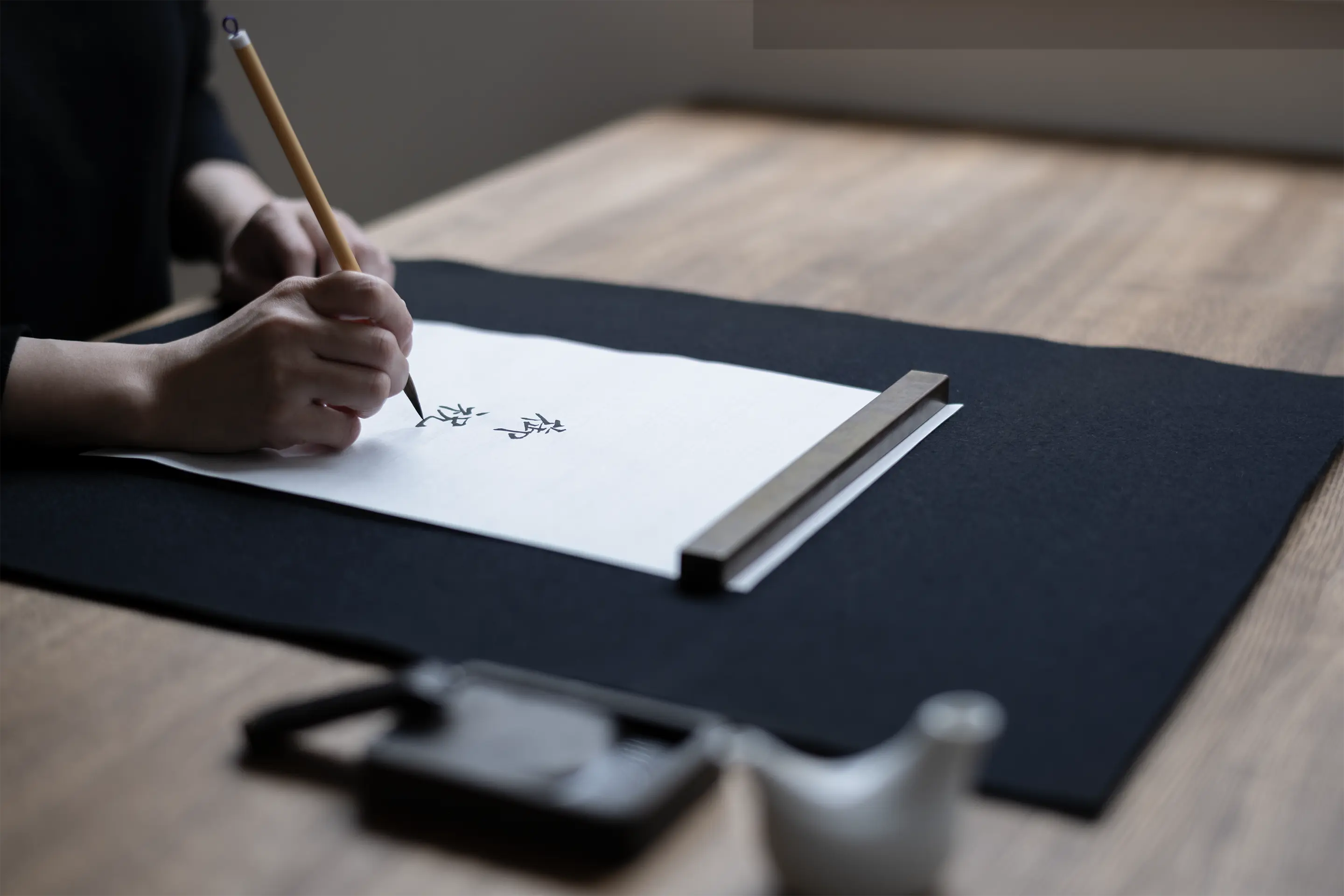
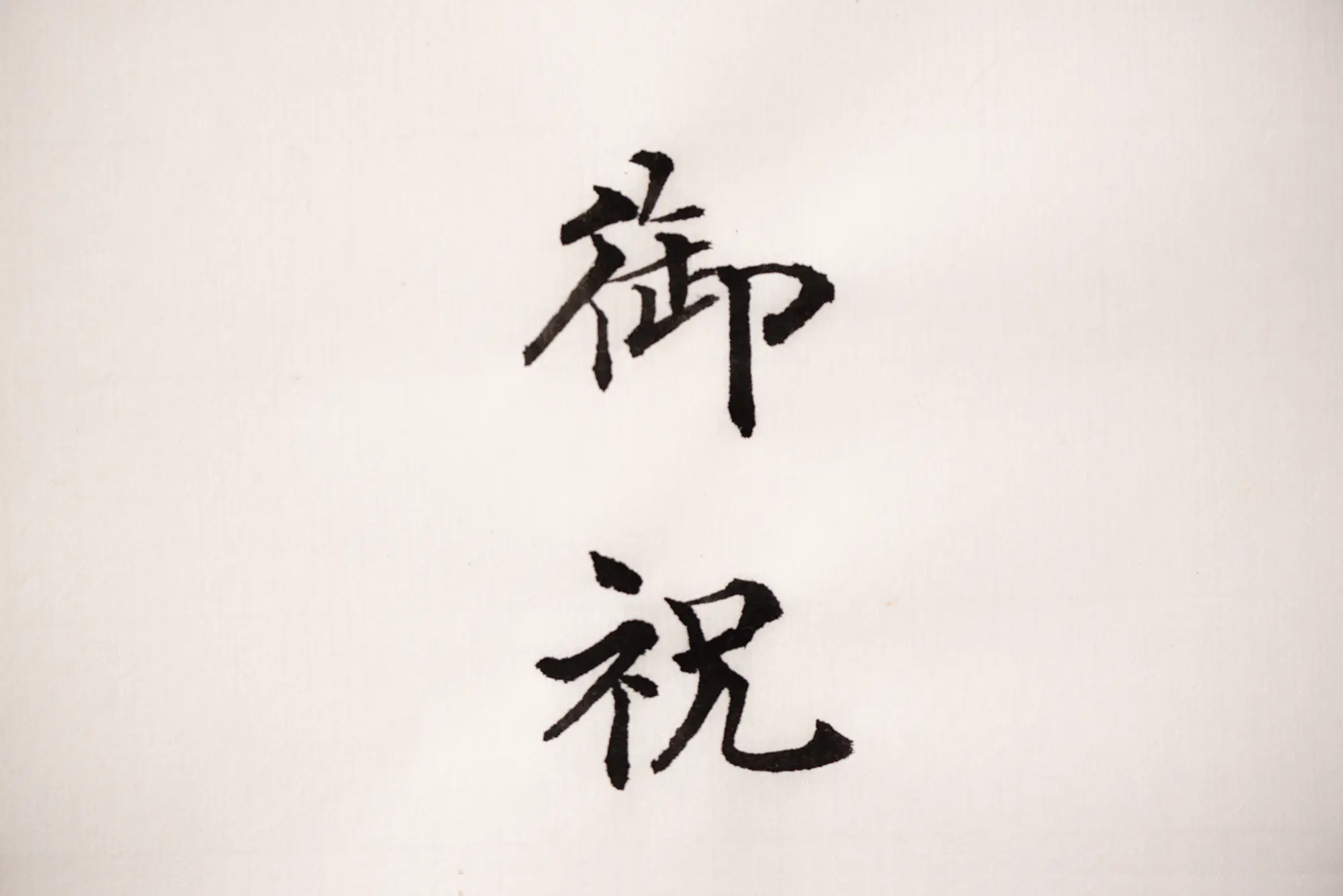
Learn about traditional tools, write your own language with a Japanese brush, and feel the art of Zen.
Let’s write together — and share your word with the world!
Try Writing Kanji Calligraphy
Experience the Art of Kanji Calligraphy
Discover the beauty of writing Chinese characters with a Japanese brush.
Learn the balance, flow, and expression that make each stroke a form of art.
Even beginners can enjoy expressing their own feelings through the brush.
Exploring the Tools of Japanese Calligraphy
Before you begin, let’s take a look at the essential tools used in Japanese calligraphy.
Each item has its own role and beauty that brings the art of writing to life.
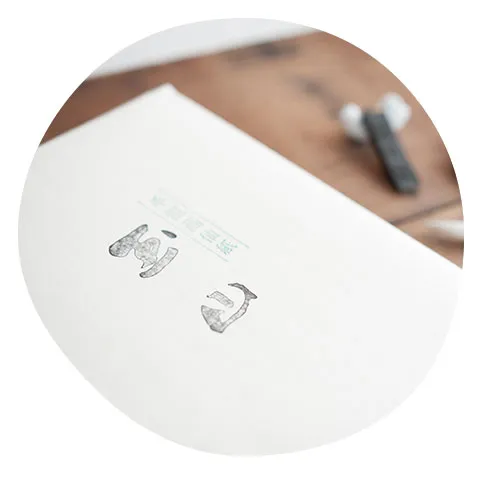
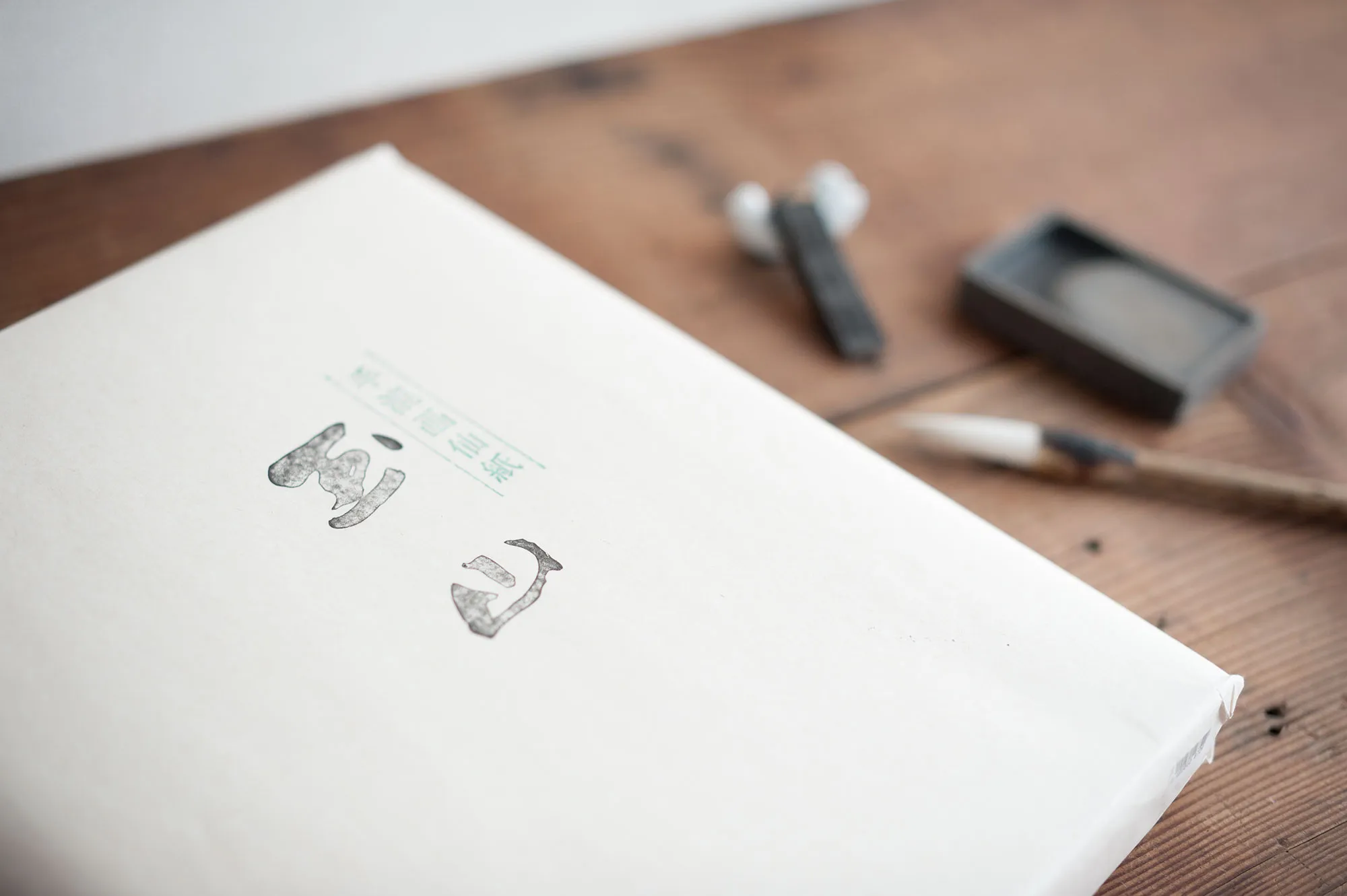
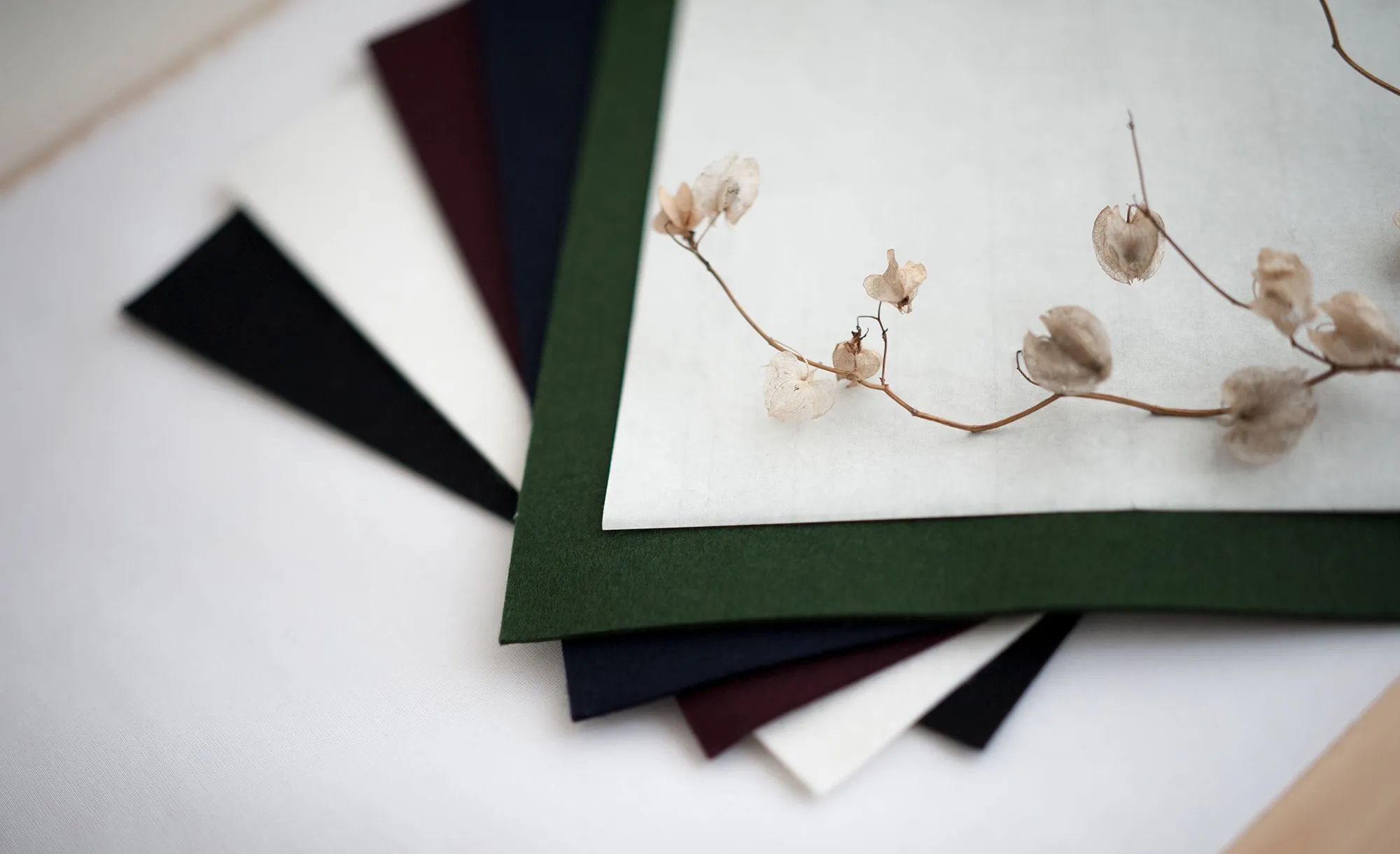
Calligraphy Paper
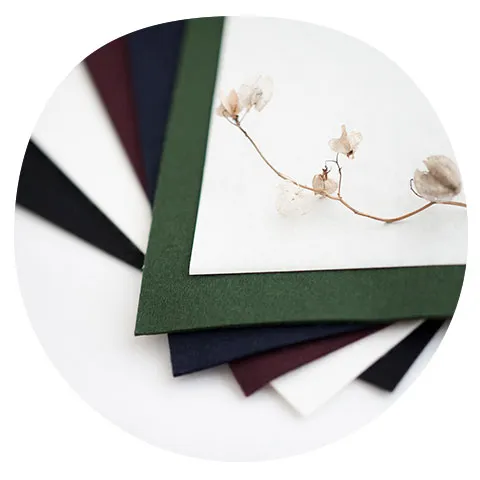
Calligraphy paper, known as washi in Japanese, is specially made to absorb ink evenly while preserving the natural texture of the fibers.
There are various types — from practice paper for beginners to high-quality handmade paper for creating art.
The right paper brings out the perfect balance of ink, brush, and movement, allowing each stroke to express depth and elegance.
About Calligraphy Paper Sizes
Calligraphy paper comes in a variety of sizes depending on the purpose and level of practice.
The most common size is Hanshi, ideal for beginners and everyday writing practice.
Larger sizes, such as Hansetsu and Zenshi, are often used for exhibitions or creating full-size artworks.
View Recommended Calligraphy Tools for Beginners »
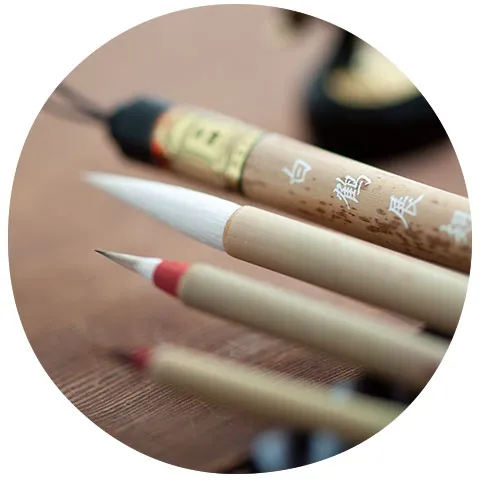
Brush
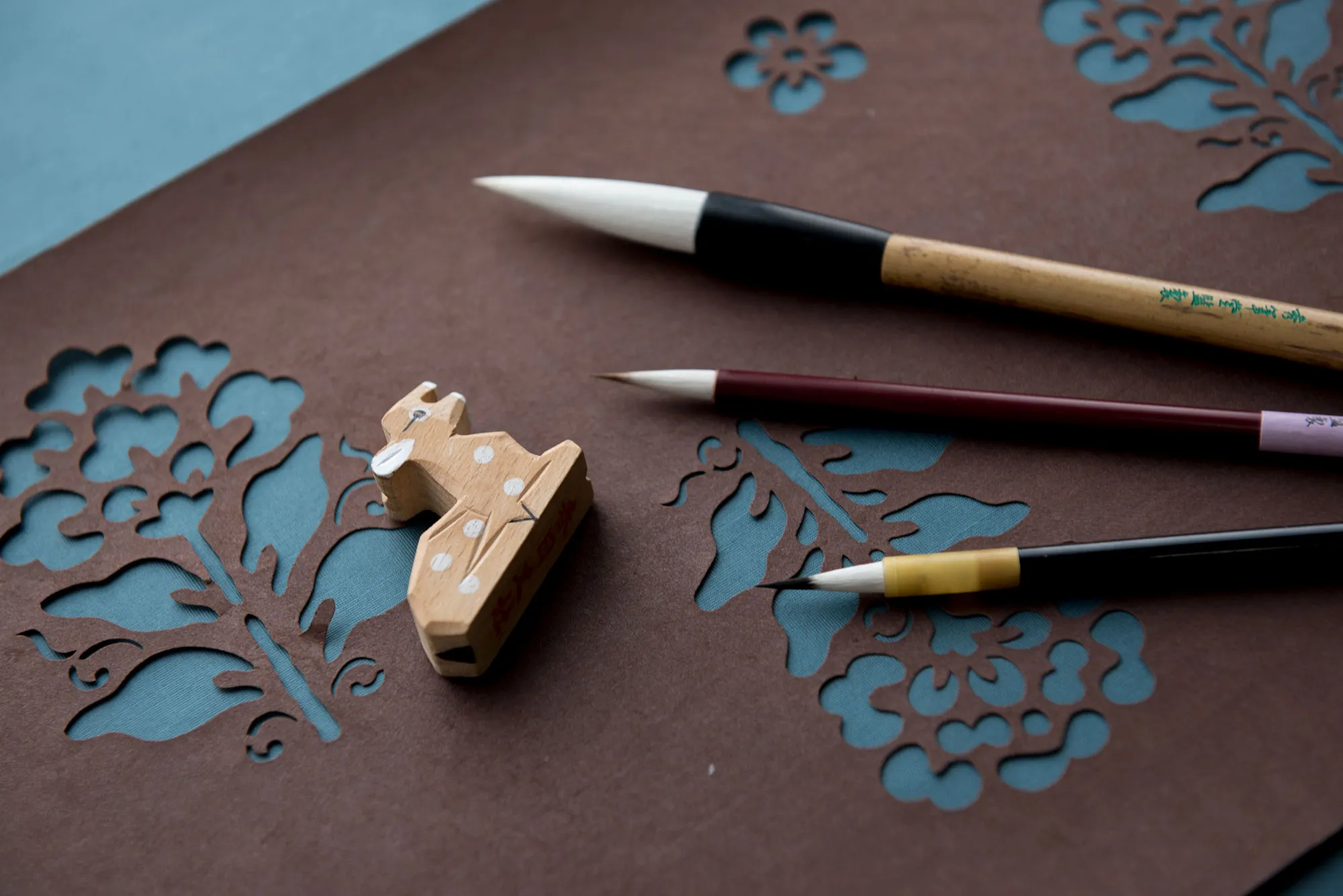
The brush, or fude in Japanese, is the most important tool in calligraphy.
Made from natural animal hair such as goat, weasel, or horse, each brush has its own softness and elasticity.
A soft brush creates smooth, flowing lines, while a firm one gives sharp, powerful strokes.
Choosing the right brush helps express your style and emotion in every character you write.
Recommended Brushes for Beginners
For beginners, we recommend starting with a brush suitable for Hanshi size paper, along with a small brush for fine writing.
Both are easy to handle and ideal for developing brush control and balance.
◆General Kanji Hanshi Brush »
◆Fine Writing Brush »
View Recommended Calligraphy Tools for Beginners »
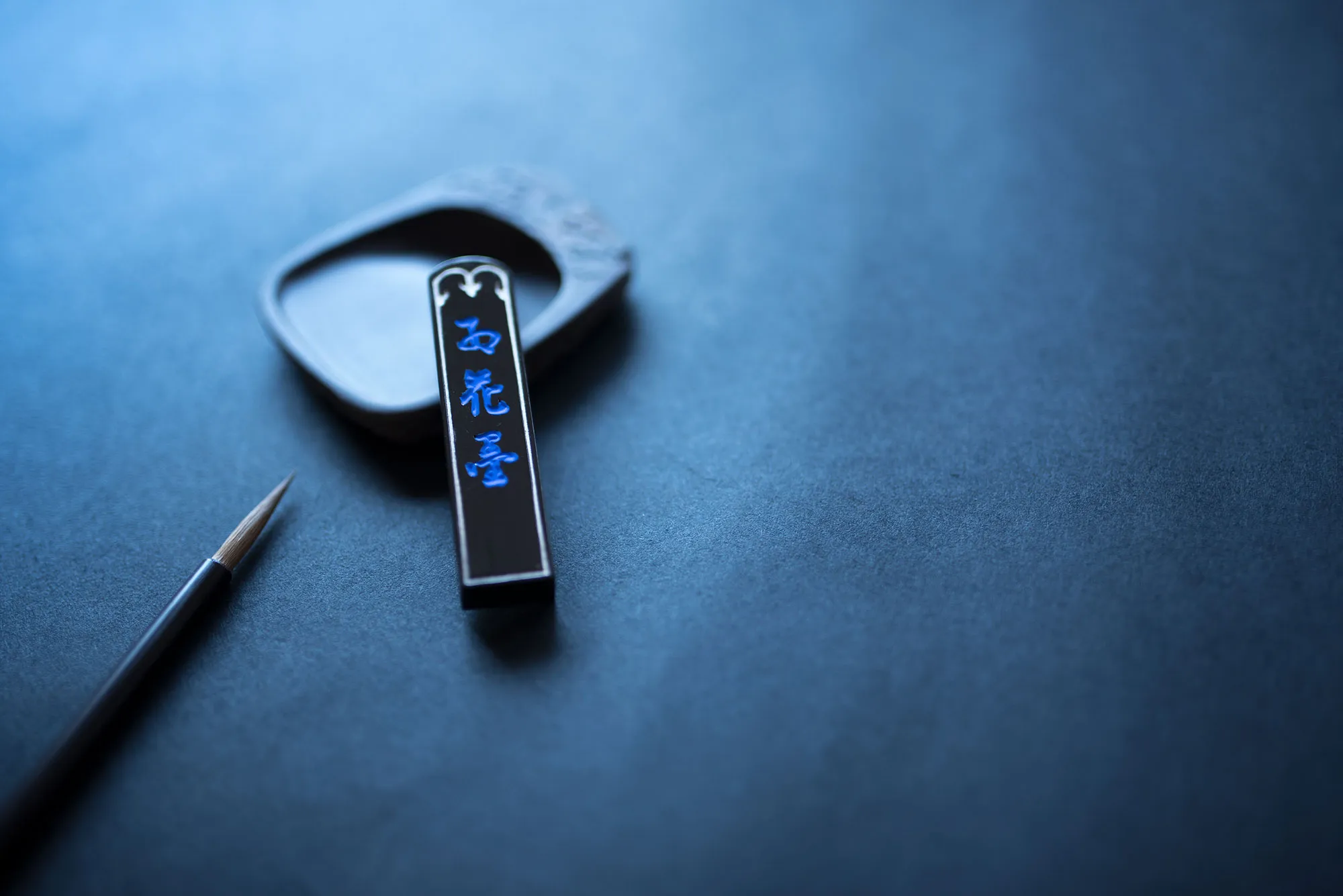
Ink Stick
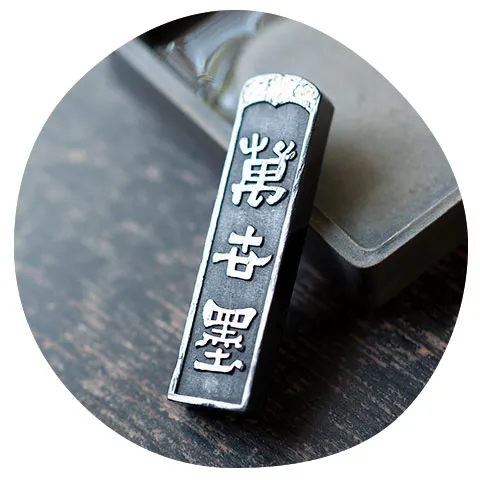
The ink stick, called sumi in Japanese, is one of the most traditional tools in calligraphy.
It is made by mixing soot, glue, and fragrant materials, then carefully dried and aged.
When ground on an ink stone with water, it produces smooth, deep black ink with a natural luster and subtle scent.
Using an ink stick allows you to experience the quiet rhythm and mindfulness that are at the heart of Japanese calligraphy.
Let’s Begin with a Kanji Ink Stick
There are many types of ink sticks depending on their purpose.
For beginners, we recommend starting with an ink stick for Kanji writing to experience the beauty of traditional calligraphy.
A medium size, such as a No. 3 ink stick, is easy to handle and ideal for everyday use.
◆Ink for Kanji »
View Recommended Calligraphy Tools for Beginners »
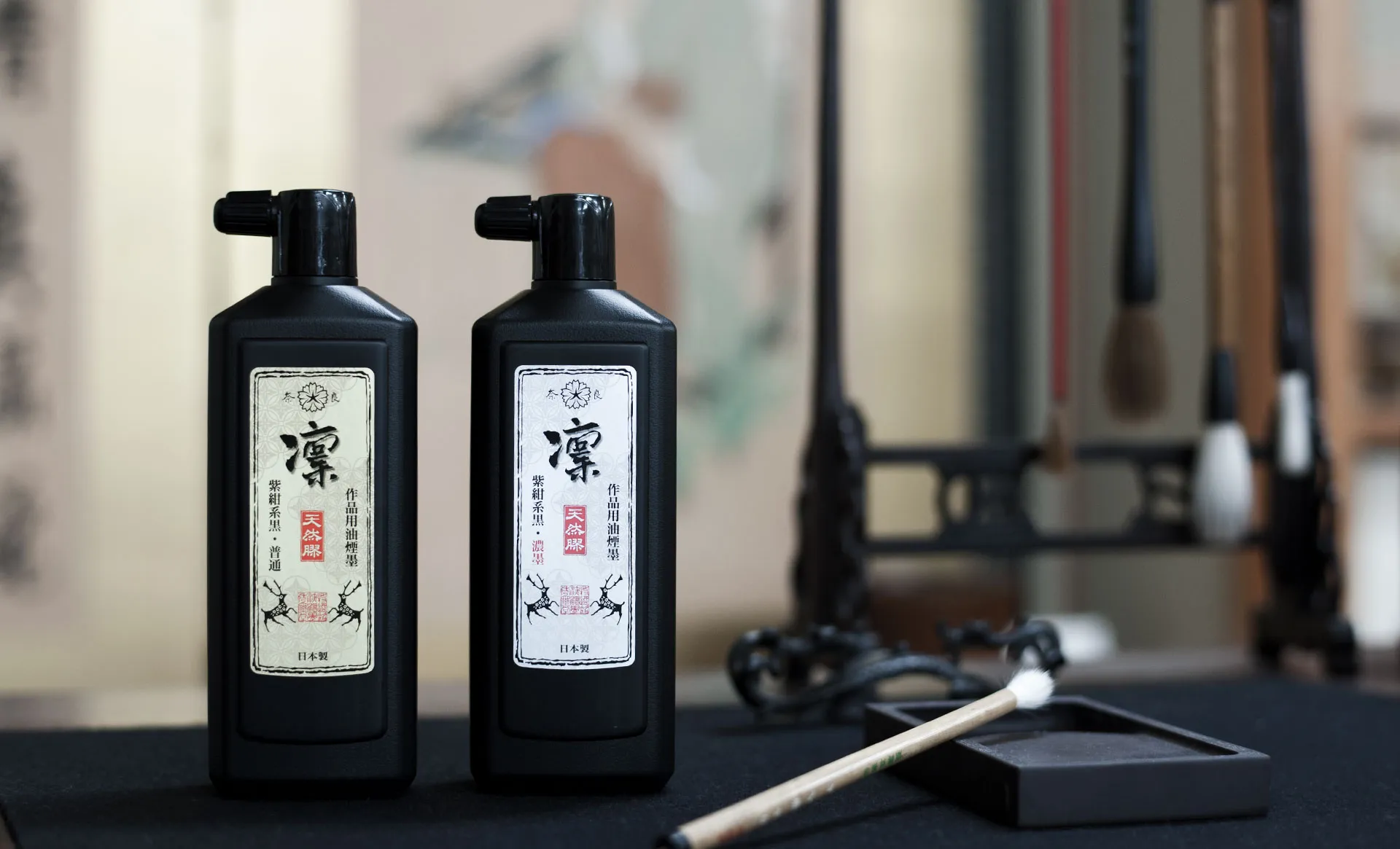
Liquid Ink
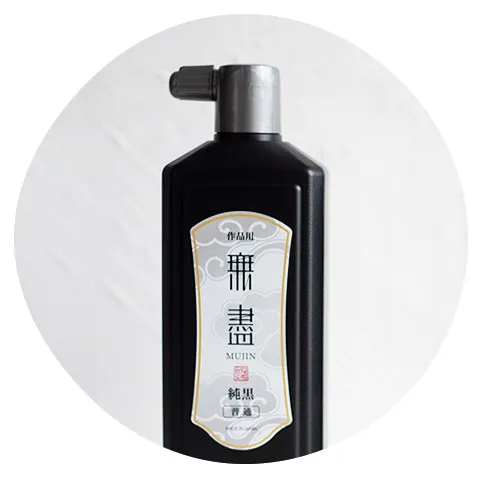
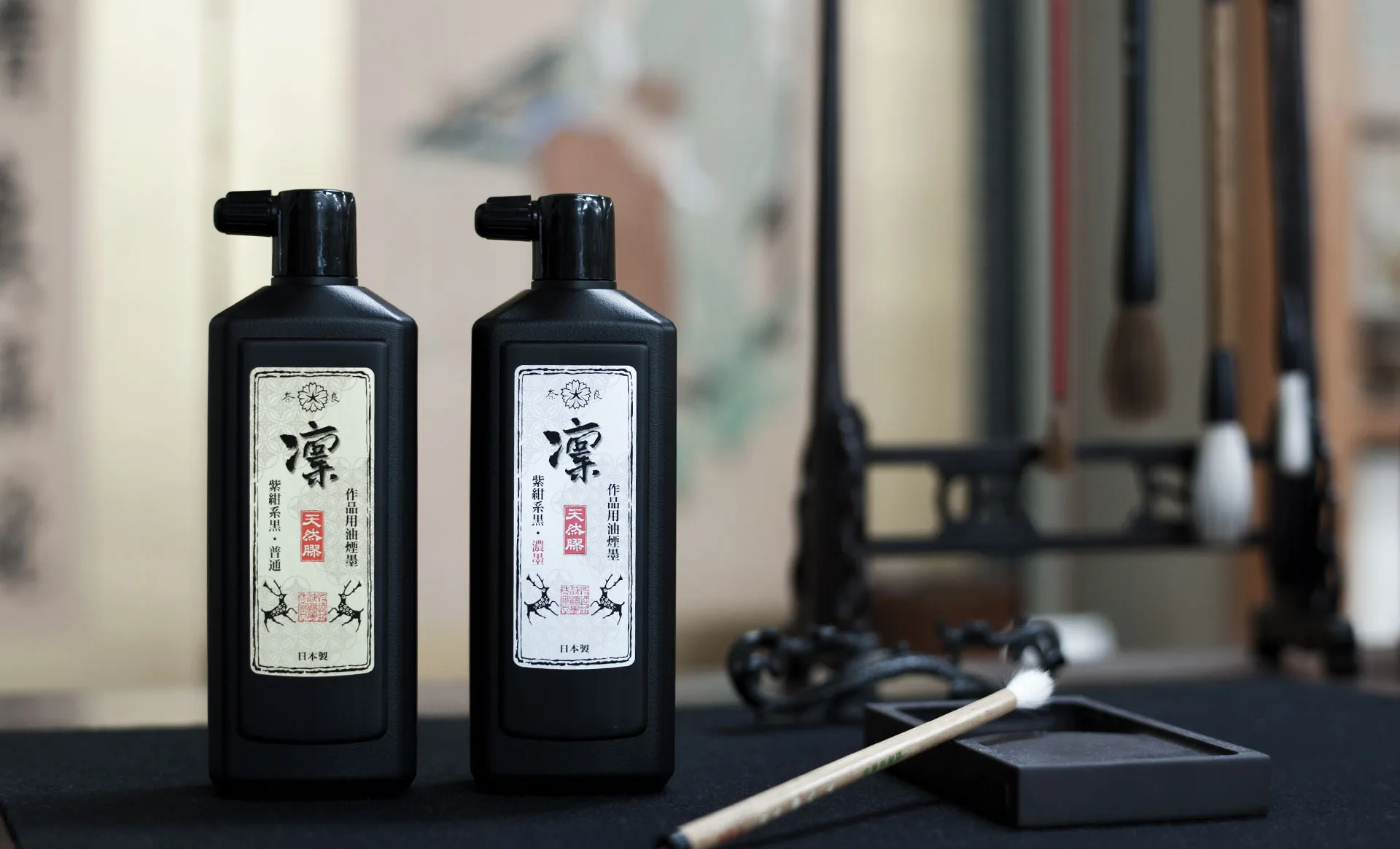
Liquid ink, called boku-eki in Japanese, is a convenient alternative to the traditional ink stick.
It is ready to use — just pour it into the ink stone or dish and start writing.
Good-quality liquid ink maintains a rich black color and smooth texture similar to hand-ground ink.
It is ideal for daily practice, classes, or when you want to enjoy calligraphy easily without preparation time.
Liquid Ink Ideal for Practice
Having a liquid ink for Kanji writing is very convenient, especially for daily practice.
If the bottle is too large, you may exceed the shelf life before finishing it, so a 500 ml size is recommended for regular use.
◆Liquid Ink for Kanji Works »
View Recommended Calligraphy Tools for Beginners »
Ink Stone
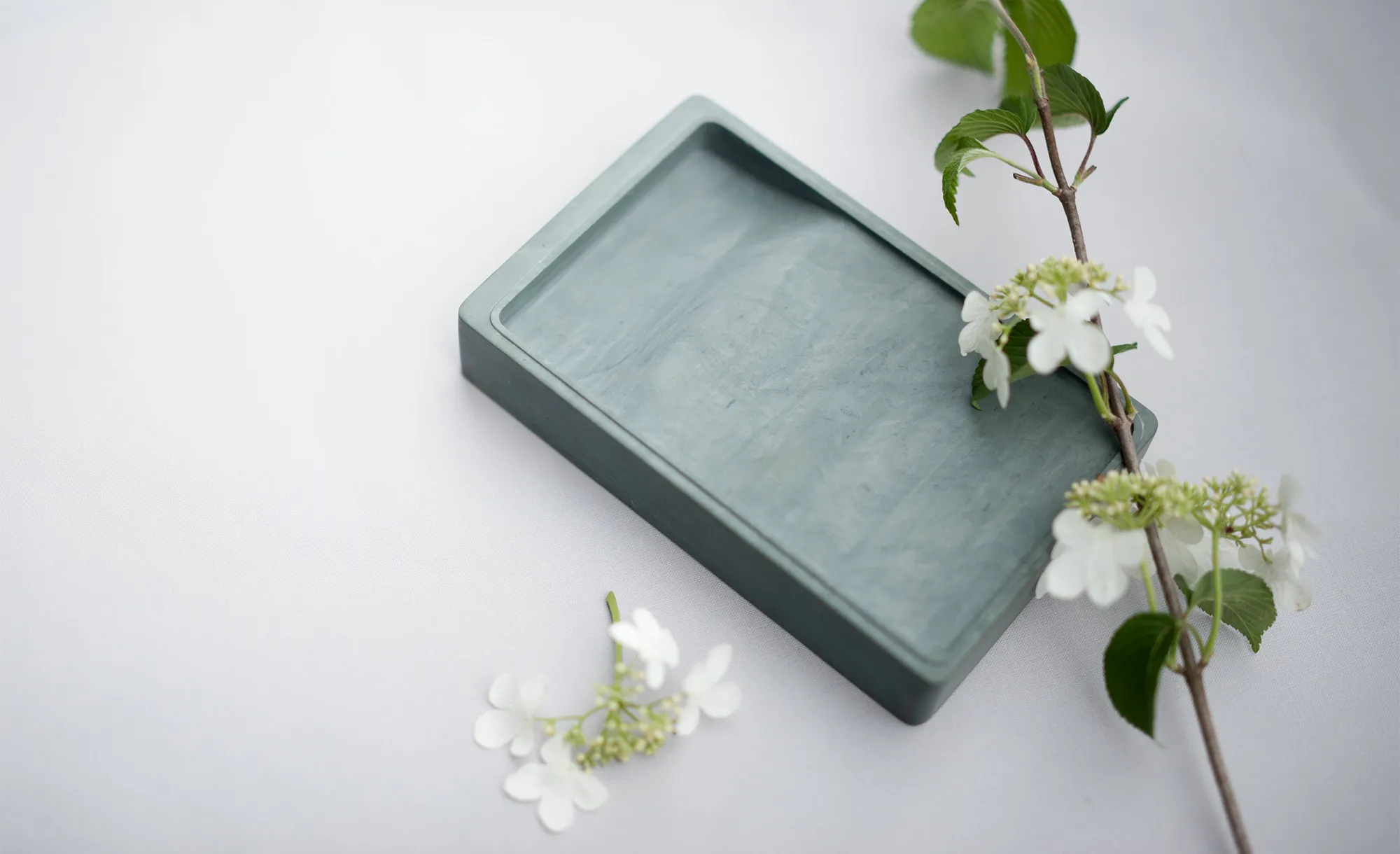
The ink stone, called suzuri in Japanese, is an essential tool used to grind the ink stick and mix it with water.
Made from natural stone, it has a smooth surface that helps produce rich, consistent ink.
A well-crafted ink stone allows the ink to spread evenly, giving depth and harmony to every brushstroke.
Using an ink stone is not just about preparing ink — it is also a quiet, meditative process that connects the calligrapher’s mind with the art of writing.
Start with an Ink Stone Around 3 to 5 Inches
For beginners, an ink stone in the 3 to 5 inch (7.5–12.5 cm) range is easy to handle and perfect for daily calligraphy practice.
It provides enough surface to grind the ink comfortably without taking up too much space on your desk.
As you gain experience, you can choose a larger ink stone for longer writing sessions or larger paper sizes.
View Recommended Calligraphy Tools for Beginners »
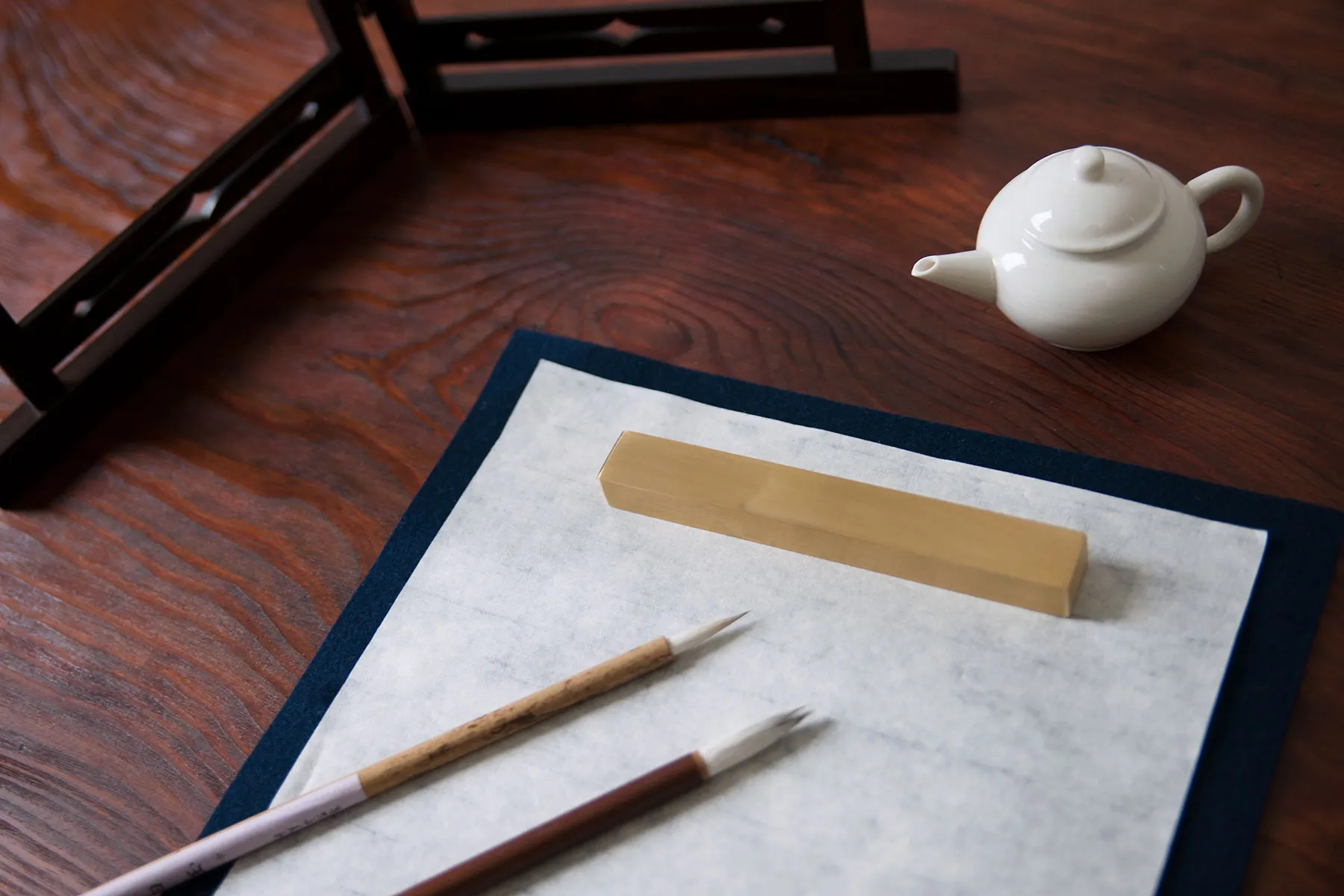
Calligraphy Mat (Shitajiki)
The calligraphy mat, called shitajiki in Japanese, is placed under the paper when practicing calligraphy.
It prevents ink from bleeding through and helps keep the writing surface even and stable.
The soft texture of the mat allows the brush to move smoothly, giving better control and balance to each stroke.
Using a mat also helps protect your desk and makes your practice more comfortable and focused.
See Calligraphy Mats for Hanshi Size Paper »
View Recommended Calligraphy Tools for Beginners »
Paperweight (Bunchin)
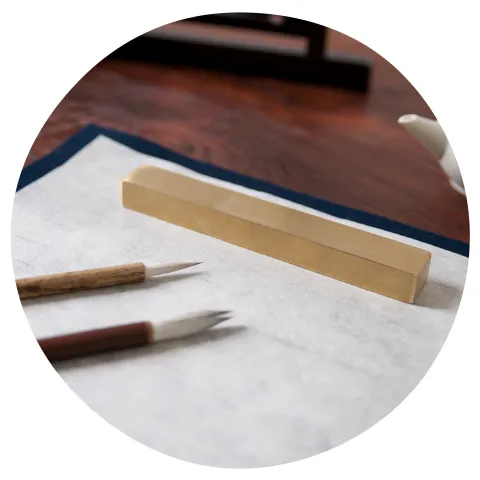
The paperweight, called bunchin in Japanese, is used to hold calligraphy paper in place while writing.
It prevents the paper from shifting or curling, allowing you to focus on brush control and composition.
The material is mainly metal, and many paperweights feature elegant and beautiful designs.
Having a good paperweight not only helps with stability but also adds a touch of refinement to your calligraphy setup.
Paperweight (Bunchin) »
View Recommended Calligraphy Tools for Beginners »
Let's Start Calligraphy!
View Recommended Calligraphy Tools for Beginners »