

The Difference Between Japanese Ink (Waboku) and Chinese Ink (Tōboku)
Differences Between “Japanese Ink (Waboku)” and “Chinese Ink (Tōboku)”
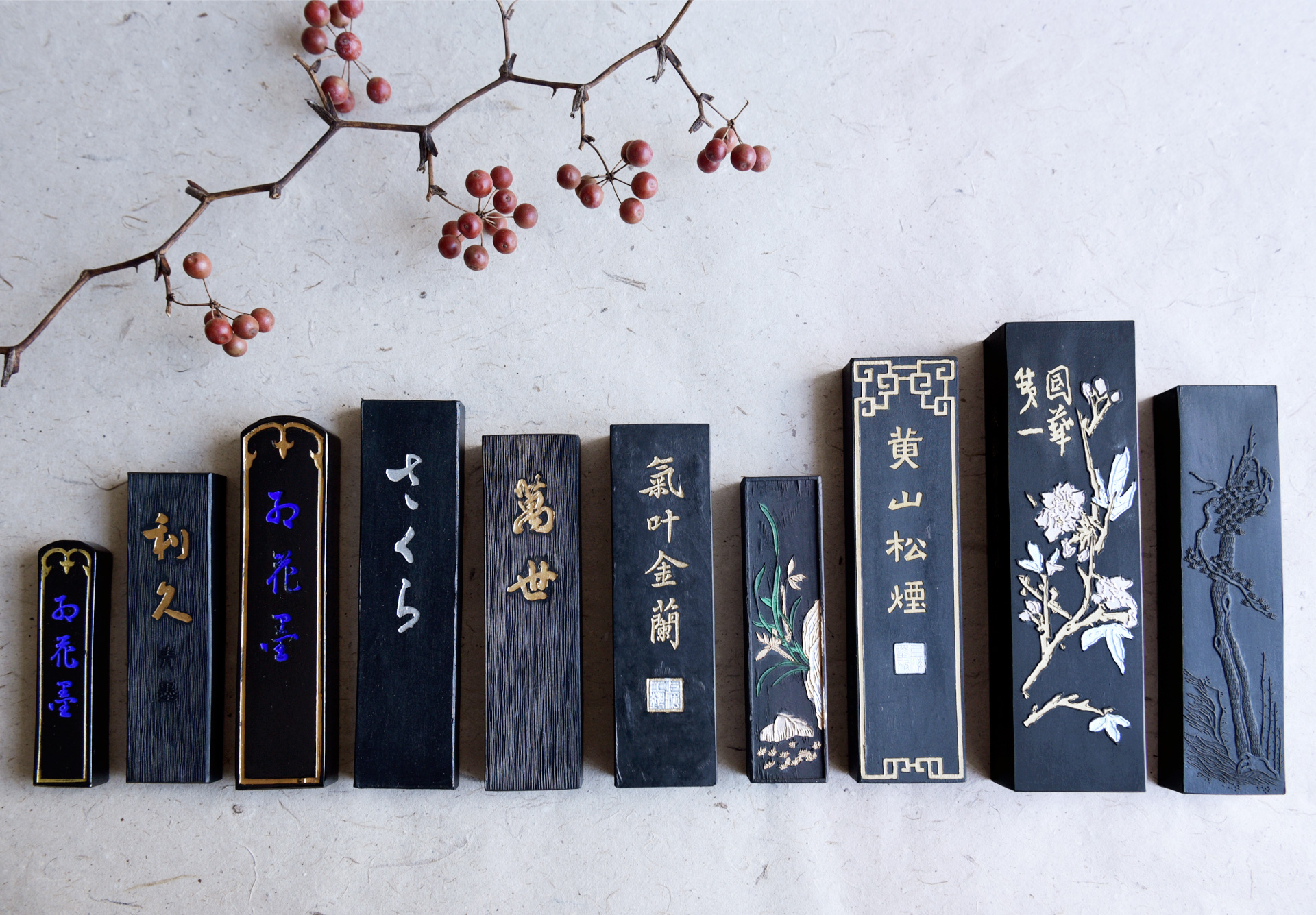
In Japan, ink made domestically is called “Waboku” (Japanese ink), while ink made in China is called “Tōboku” or “Kara-sumi” (Chinese ink).
The proportions of ingredients and the methods of production differ, resulting in variations in ink tone, fluidity, and longevity.
It is not about which is better or worse.
Understanding the characteristics of each type of ink and choosing the one that best suits your desired work is important.
The History of Ink Transmission and the Unique Evolution of Japanese Ink
It is said that ink was introduced to Japan around the same time as written characters.
In China, the history of ink is much longer, beginning as early as the Yin dynasty, before 1500 BCE.
Over time, many ink makers emerged, and ink produced before the Cultural Revolution was known for its longevity. Old Chinese ink sticks, known as “Koboku” (ancient ink), are still highly valued today and can fetch extraordinary prices.
Although there are significant differences between Japanese and Chinese inks today, it is unlikely that such distinctions existed when ink was first introduced to Japan.
These differences likely arose due to variations in production methods, climate, and the development of paper in both countries.
In Japan, as the nation moved away from Tang Chinese influence after Sugawara no Michizane abolished the official missions to China, the culture and calligraphic style evolved, and with the development of Japan’s own kana script, more delicate and nuanced expression came to be desired.
What kind of ink was best suited for such subtle expression?
Through continued innovation by both calligraphers and ink craftsmen, Japanese ink gradually evolved into its own unique form.
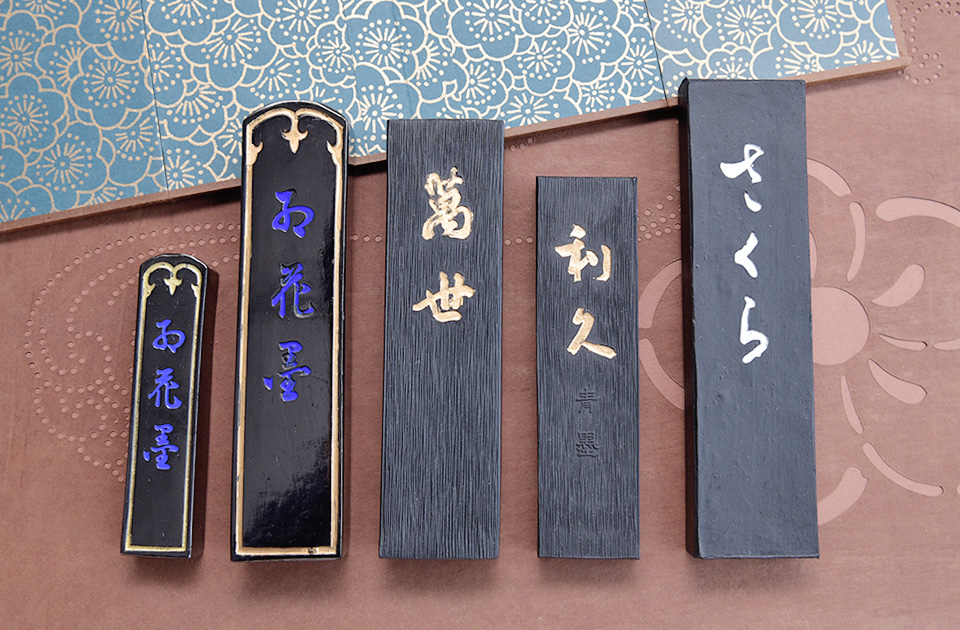
▲ Japanese Ink (Waboku)
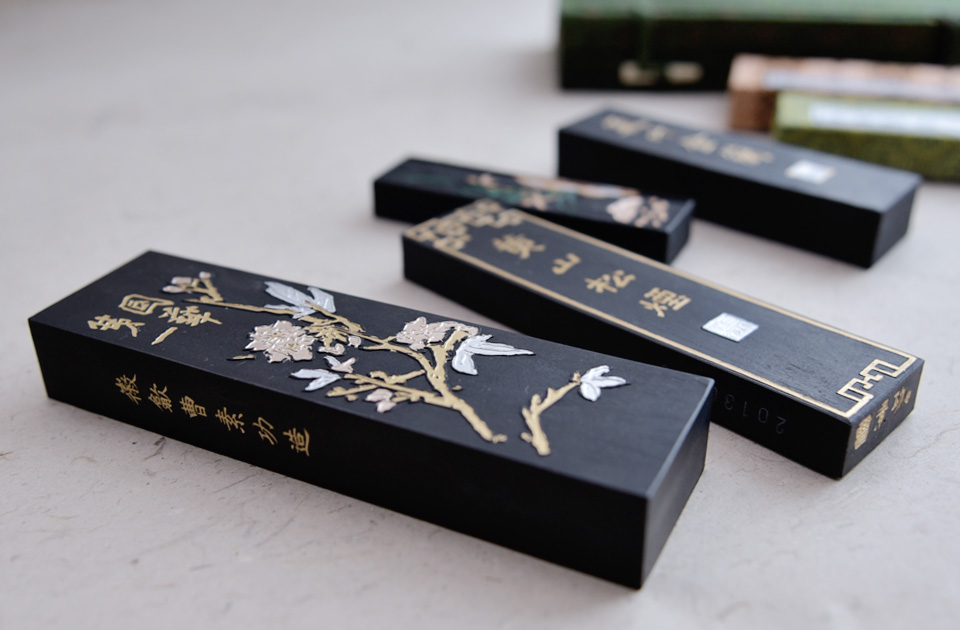
▲ Chinese Ink (Tōboku)
Differences in the Mixing Ratio of Soot and Glue
Ink is made by mixing soot and glue with added fragrance, then molding and drying the mixture.
One major difference between Japanese and Chinese inks lies in the ratio of these ingredients.
In addition, differences in the type and viscosity of the glue also have an influence.
| Japanese Ink (Waboku) | Chinese Ink (Tōboku) | |
|---|---|---|
| Mixing Ratio (Soot : Glue) | 10:6 | 10:12 |
| Viscosity of Glue | High viscosity | Low viscosity |
| Characteristics | Settles quickly and produces a strong black color. Has high stickiness. | Settles slowly and produces a less intense black. Has low stickiness. |
Japanese ink uses glue with high viscosity, while Chinese ink contains a larger amount of glue but with lower stickiness.
Because Japanese ink has a higher ratio of soot, it grinds quickly and produces a deep, strong black color. However, due to the thick glue, it also feels more viscous.
On the other hand, Chinese ink contains more glue than soot, so it grinds slowly and tends to produce a lighter black. Yet, because the glue used is less viscous, it feels smoother.
This difference is also influenced by the natural conditions of each country. In Japan, most water is soft, while in China, it is hard water. It is said that when Chinese ink is ground with Japanese soft water, the ink tone becomes soft, but when ground with hard water, it develops greater depth and richness.

Characteristics of “Japanese Ink” and “Chinese Ink”
| Japanese Ink (Waboku) | Chinese Ink (Tōboku) | |
|---|---|---|
| Ink Color | Rich, powerful black with bold strokes; rustic yet elegant with depth. Produces a beautiful, transparent tone when used as light ink. | Lacks rustic simplicity but has elegance and depth, showing a slightly brownish tone. |
| Ink Strength | Hard to crack. | Prone to cracking; some types may crack frequently. |
| Color Strength | Even when new, the ink produces a powerful, thick black tone. | When new, the ink lacks strength, but as it ages into old ink, it develops greater depth and richness. |
| Ink Flow | Poor flow; requires drying or aging before use. | Flows smoothly. |
| Bleeding | Resists bleeding. Since the ink does not penetrate the paper easily, aged paper is preferred. | Bleeds beautifully. The ink penetrates the paper well. |
| Ink Longevity | Relatively short lifespan. Around 10 years for lower-quality ink and about 50 years for high-quality ink. When the ink reaches the end of its life, carbon aggregation and glue degradation cause the ink tone to become cloudy. |
Long lifespan. As it ages, the ink gains strength and depth, creating beautiful bleeding effects and richer expression. |
Popular Japanese Inks (Waboku) on Shoyu Online
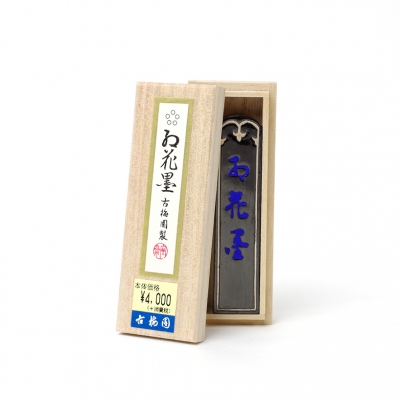
1. Gosei Benibana Ink 1.0-chō Type (Kobaien)
An oil soot ink made with rapeseed oil, notable for its excellent flow. When used thick, it produces a painterly, beautiful black; when diluted, it takes on a grayish tone.
View Product Page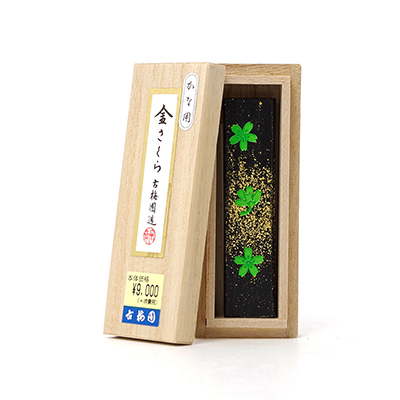
2. Sakura-shaped 1.0-chō Type (Kobaien)
A celebrated ink name handed down since Kobaien’s founding; an oil soot ink made with rapeseed oil. It flows extremely well, producing a deep purplish black when thick and a light brownish tone when diluted.
View Product Page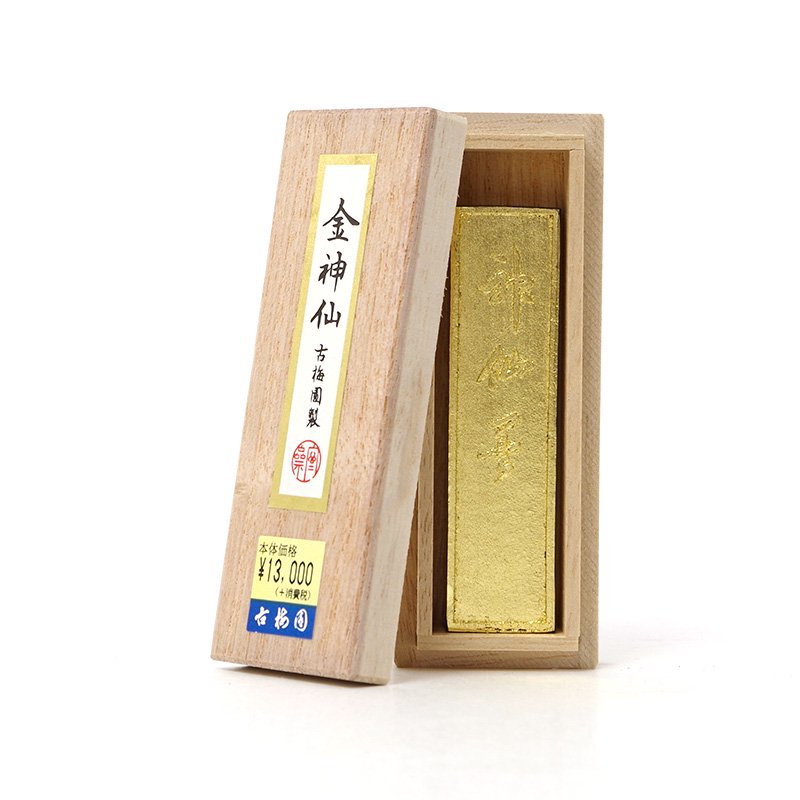
3. Kin Shinsen 1.5-chō Type (Kobaien)
A top-grade oil soot ink made with rapeseed oil. When thick, it yields a glossy pure black; when diluted, a brownish black.
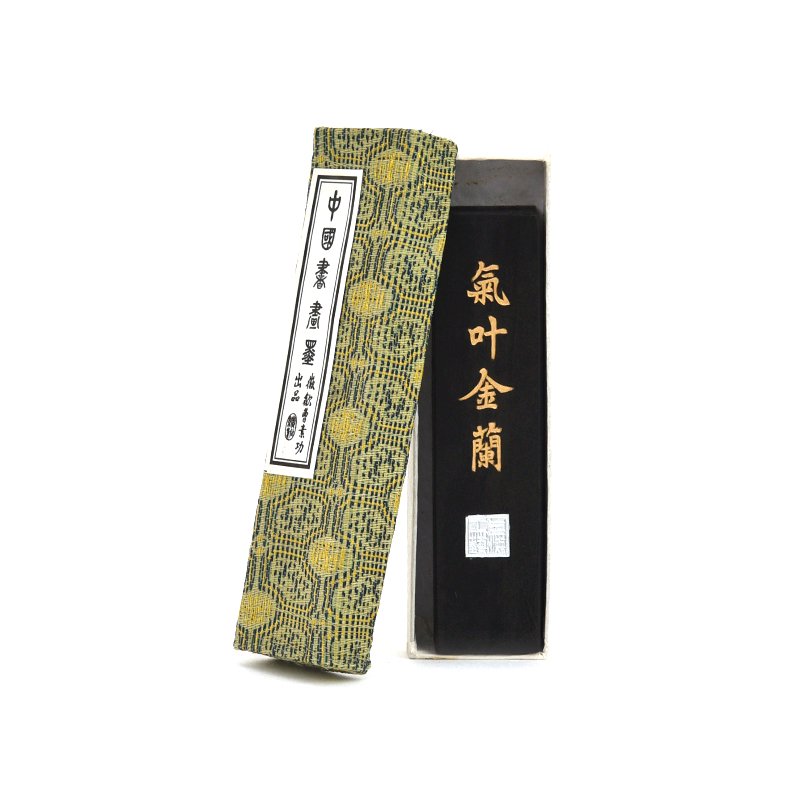
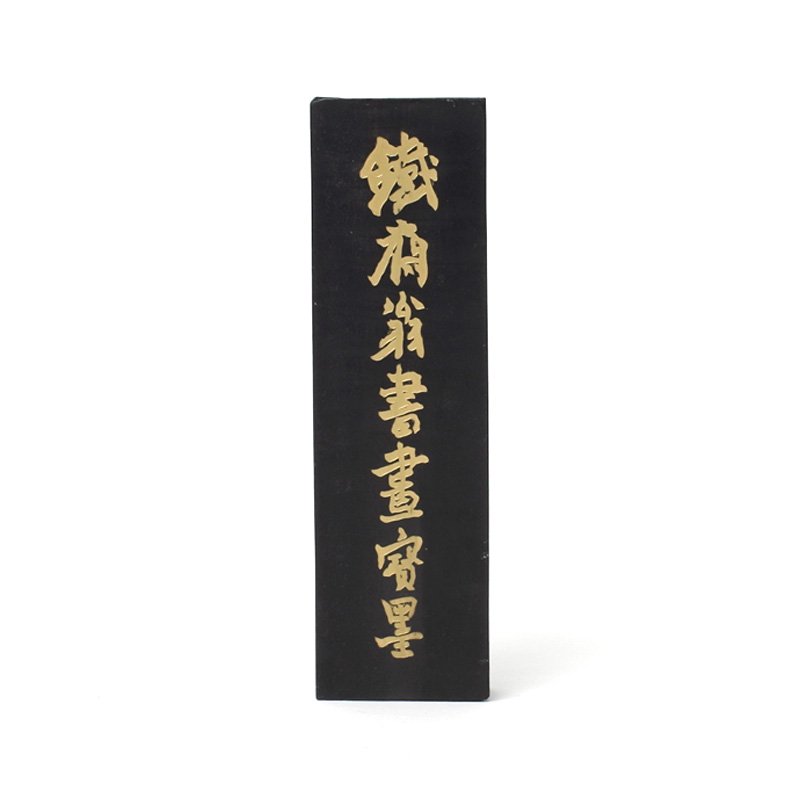
View Product PagePopular Chinese Inks (Tōboku) on Shoyu Online
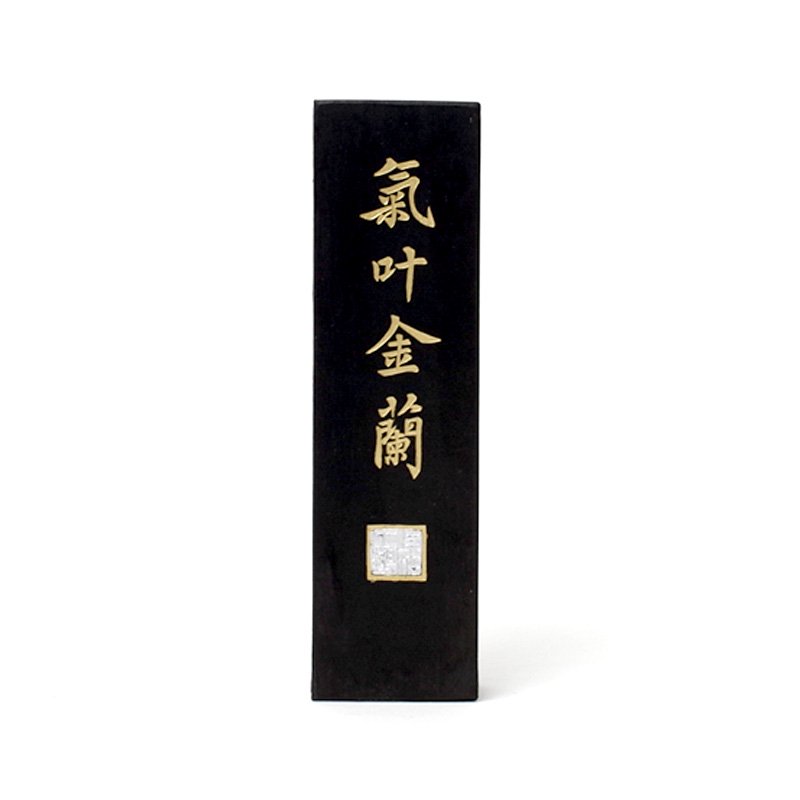
Summary
There is no absolute better or worse between Waboku and Tōboku.
They are often chosen based on purpose and intended use, so it is hard to declare one superior; however, under Japan’s climate, Chinese ink can crack more frequently.
This occurs because each ink is produced using methods suited to its environment—this does not mean Chinese ink is inferior.
Old Chinese ink sticks are highly prized and can fetch extraordinary prices, while in recent years, Japanese inks have improved greatly in quality thanks to corporate efforts.
Please understand the characteristics of each and choose your ink based on the characters you wish to write and the finish you want for your work.