Tools Needed for Seal Carving (For Beginners)
“I’m interested in seal engraving (tenkoku), but what tools do I need?” “What should beginners prepare first?”
For those who are thinking of starting seal engraving, here is an explanation of the essential tools.
You might think that you need to collect a lot of tools, but most of them are durable and can be used for many years once purchased.
All of the tools introduced here are available for purchase on Shoyu Online, so please take a look there as well.
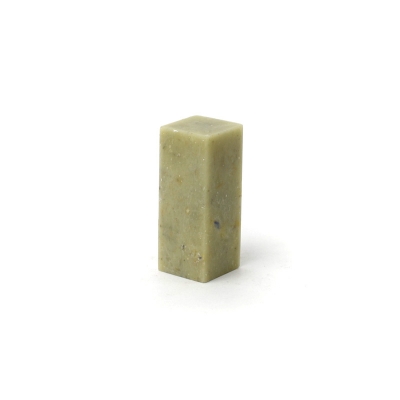
Seal Material (印材 / Inzai)
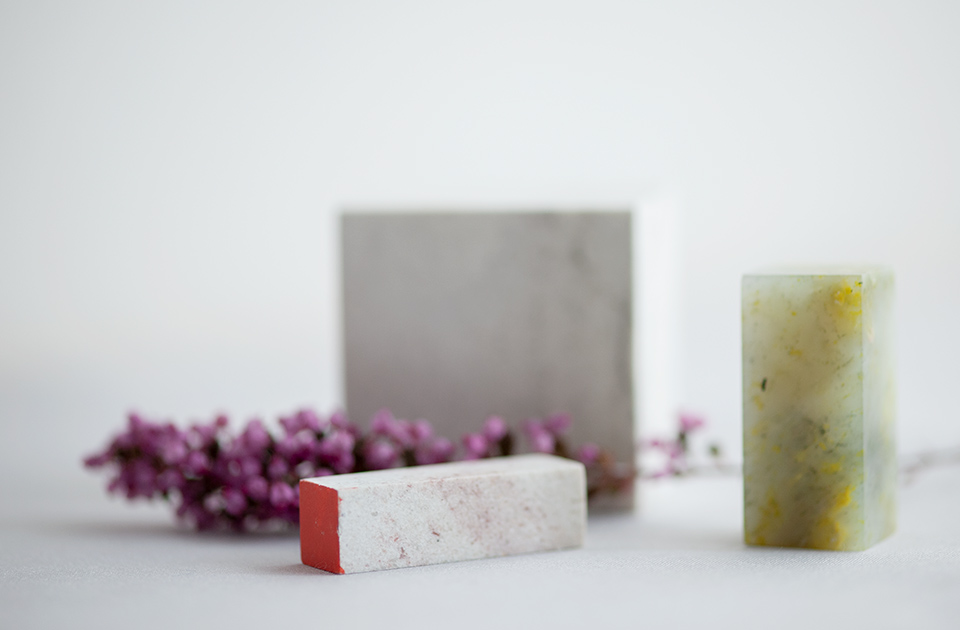
Seal materials are made from stone, wood, bamboo root (chikkon), ivory, and crystal.
Stone is the most commonly used, and most of it is imported from China.
There are many types and sizes of stone.
The main types are Shoushan Stone (寿山平頭石), Qingtian Stone (青田青白章石), Changhua Stone (昌化石), and Balin Stone (巴林石), collectively known as the Four Great Seal Stones.
Each has a different level of hardness and carving ease, so try various kinds to find the one that suits you best.
For beginners, 2.3 cm, 2.5 cm, or 3.0 cm (one sun) squares are recommended.
Seal Carving Knife (印刀 / Intou)
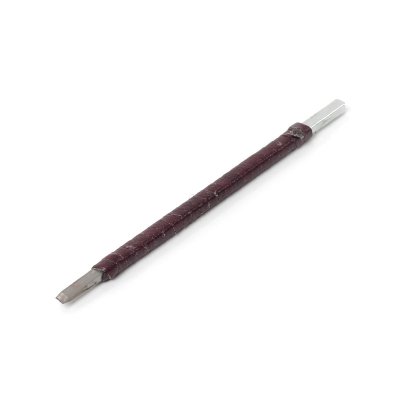
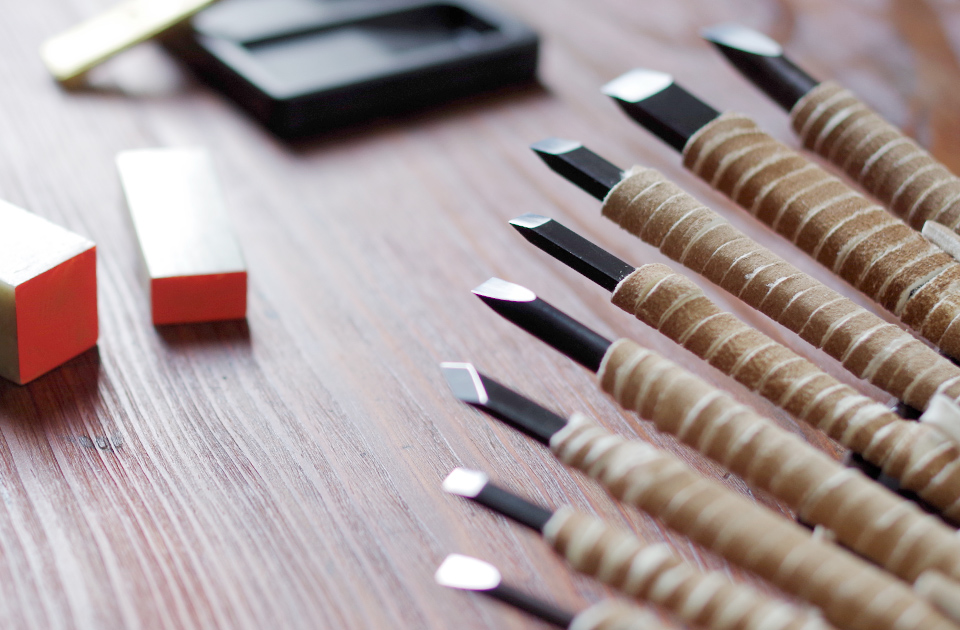
Also called an “iron pen,” it is used to carve the seal.
You carve by using the corner of the blade.
There are two types of seal knives: double-edged (中鋒) and single-edged (片鋒). Double-edged knives are used for carving stone.
Thick blades are suitable for soft stones, while thin blades are better for harder stones.
The size of the knife depends on the size of the stone being carved, but for beginners, a width of about 6 mm is recommended.
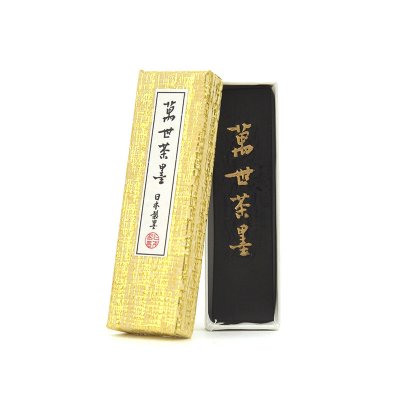
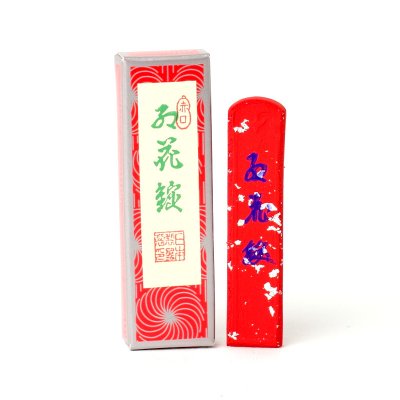
Ink and Red Ink (墨 / 朱墨)
Ink is used when creating the draft design (inkō) for the seal.
An inkō is the draft or template for carving the seal — you write the characters you plan to engrave on paper.
While you can use bottled liquid ink, grinding solid ink produces a cleaner result.
Red ink is used when transferring the characters onto the stone surface (a process called “fuji”).
Solid red ink is also recommended.
Choose a heavier ink stick, as it generally indicates higher quality.
Fuji (布字) refers to writing the characters directly onto the seal surface with a brush.
Nowadays, it can also mean the act of transferring the character design onto the stone surface.
Small Brush (小筆 / Kohude)
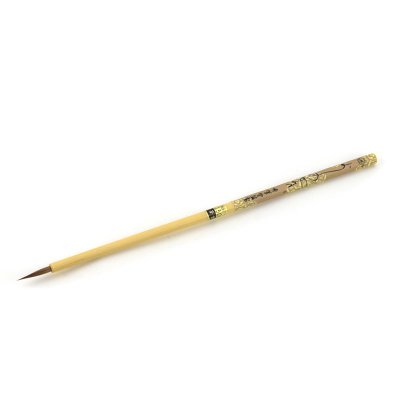
Prepare two small brushes — one for black ink and one for red ink.
Since you will write fine characters on a small surface, brushes with sharp, responsive tips are best suited.
Inkstone (硯 / Suzuri)
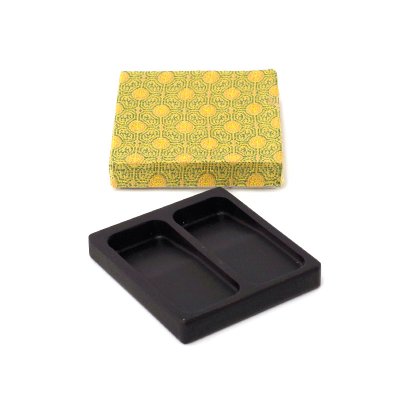
You can prepare two inkstones — one for black ink and one for red ink — but a compact double-sided inkstone is recommended for convenience.
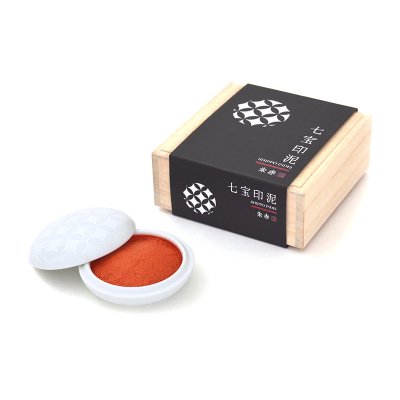
Seal Paste (印泥 / Indei)
Used when stamping your seal onto a work.
Choose a color that suits your artistic style or personal preference.
Learn more about how to use seal paste >>
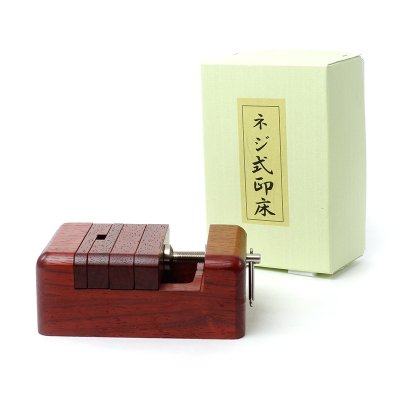
Seal Stand (印床 / Inshō)
This is a stand used to hold the seal firmly in place while carving.
It can be difficult and unsafe to hold the seal by hand, but using a seal stand allows you to carve safely and securely.
There are two types of stands: “screw type” and “wedge type.”
The screw type is easy for anyone to use, as it simply tightens with a screw.
The wedge type is tightened with a wooden mallet, so it won’t loosen while carving and is highly durable.
Be sure to choose a stand size that matches the size of the seal material you plan to carve.
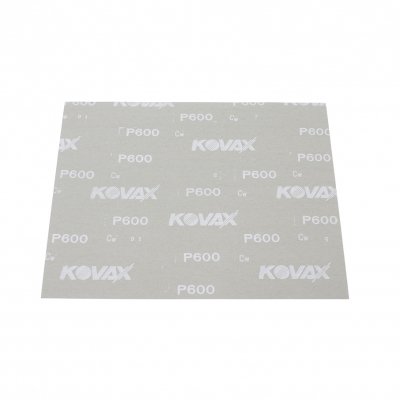
Wet Sandpaper
Used to remove scratches from the seal material and to smooth and flatten the seal surface.
Apply water to the paper and rub gently.
Depending on the texture of the stone, you’ll generally need three types of grit: coarse, medium, and fine.
For most modern seal stones, using #400–#800 grit wet sandpaper with plenty of water will smooth the surface beautifully.
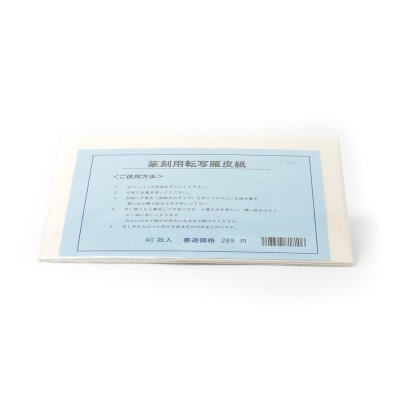
Transfer Paper
This is a special paper made of ganpi (Japanese tissue) used for transferring your design onto the seal surface.
You can use it to transfer the design you’ve drawn on another sheet of paper directly onto the stone.
There’s also a method that doesn’t use transfer paper, known as the “Magic Ink Transfer Method.”
If using this method, prepare a yellow magic marker and a toner-based printer.
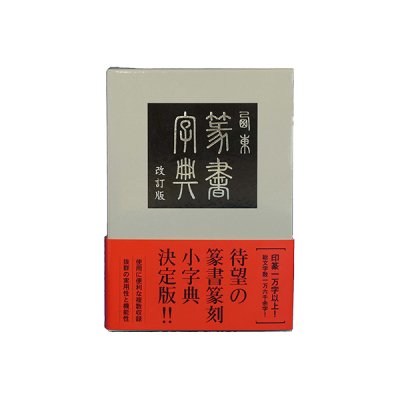
Character Dictionary (字典)
Used to look up the form and structure of the characters you plan to carve.
The following items are optional tools.
You can still enjoy carving without them, or feel free to use suitable alternatives you already have.
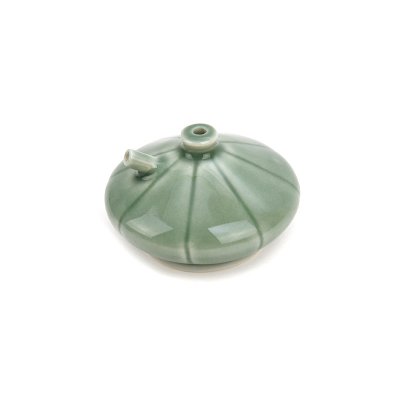
Water Dropper (水滴 / Suiteki)
Used when grinding ink or applying water while using wet sandpaper.
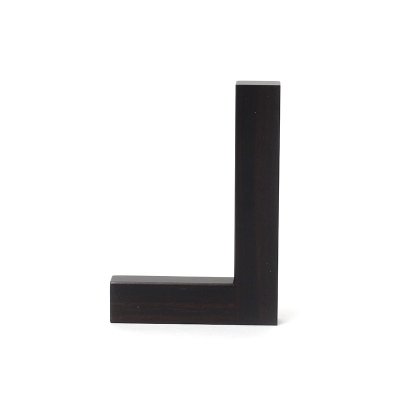
Seal Positioning Tool (印矩 / Inku)
This tool is used to stamp the seal precisely in the desired position.
It functions like a ruler specifically designed for seal stamping.
Learn more about how to use the Seal Positioning Tool >>
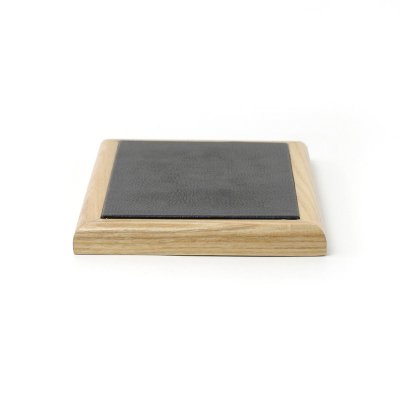
Seal Cushion Pad (印褥台 / Injokudai)
This is a pad placed underneath when stamping your seal.
Brush / Toothbrush
When carving, fine stone dust collects on the seal surface.
A small brush, such as a toothbrush, is convenient for removing the dust.
Cloth
A cloth used for wiping the seal.
It is used to clean off seal paste (ink) remaining on the seal after stamping.
Tissues can also be used as an alternative.
Summary
These are the essential tools needed for seal engraving (tenkoku).
While there are many items, most — such as the seal knife and seal stand — will last for years once you prepare them.
You may feel that “seal engraving looks difficult,” but creating your own hand-carved seal adds even more enjoyment to your calligraphy and artwork.
We encourage you to give it a try!